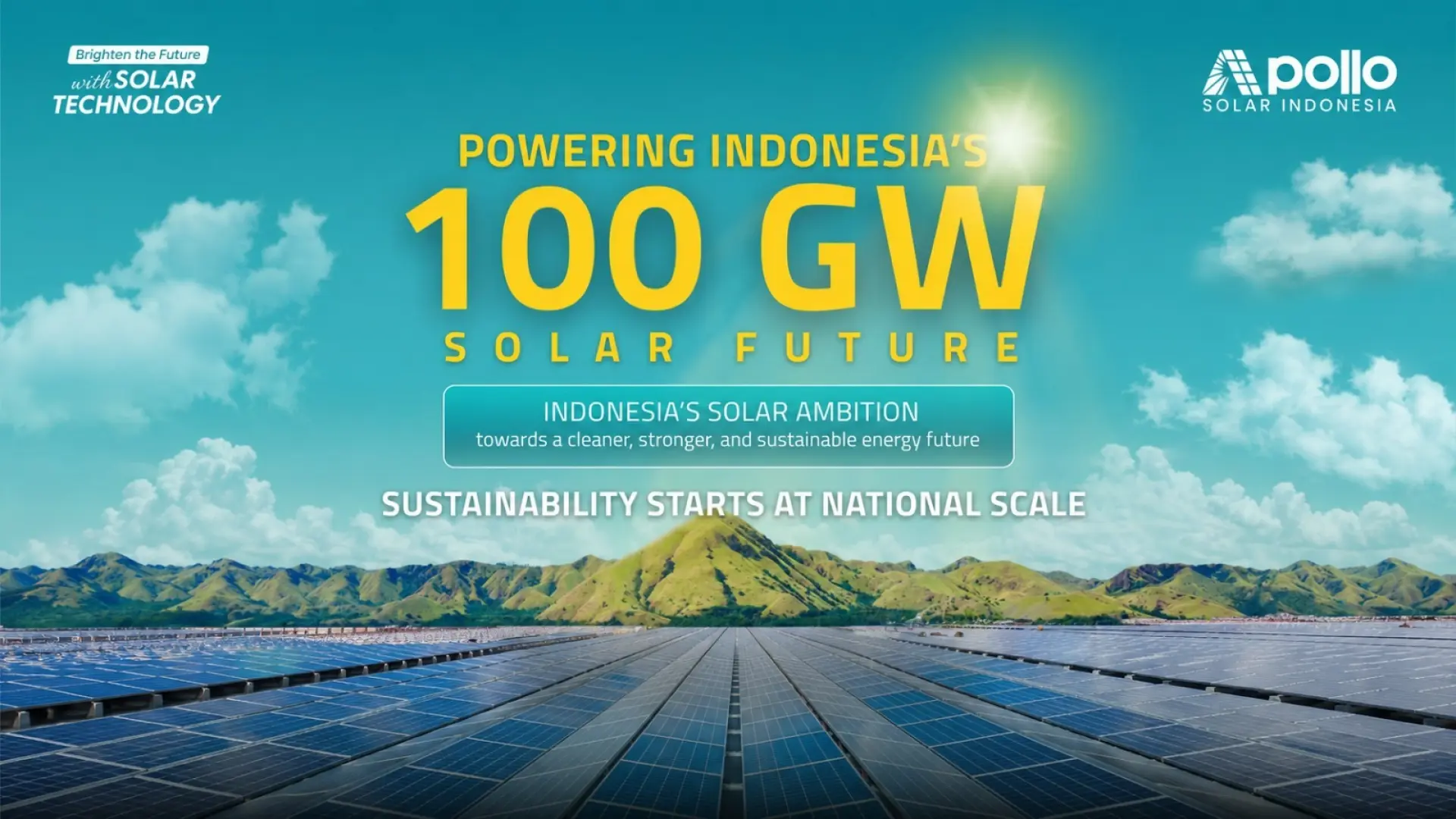
Solar energy emerges as a cornerstone in the transition towards sustainable development, particularly in Southeast Asia—a region grappling with energy access disparities, environmental challenges, and reliance on non-renewable resources. The United Nations Sustainable Development Goals (SDGs), adopted in 2015, emphasize addressing crucial global issues such as poverty, inequality, and climate change. Solar energy aligns with the objectives of these goals, providing cleaner, affordable, and scalable solutions that empower communities and drive socio-economic progress.
Energy intersects directly with multiple SDGs, such as SDG 7 (Affordable and Clean Energy), SDG 13 (Climate Action), and SDG 1 (No Poverty). Solar technologies enable the generation of renewable power, reducing greenhouse gas emissions while bolstering regional energy independence. With the shift toward photovoltaic systems, Southeast Asian countries can improve energy access in underserved rural areas, enhancing living standards and stimulating economic growth. For instance, off-grid solar installations and microgrids serve as vital pathways to electrify remote communities, bridging inequality gaps.
Solar energy also plays a pivotal role in supporting SDG-driven innovations and fostering sustainable industries. The adoption of solar-powered water pumps and lighting systems helps transform agricultural sectors, ensuring food security and contributing to SDG 2 (Zero Hunger). Similarly, energy-efficient technologies powered by solar enable urban sustainability initiatives, complementing SDG 11 (Sustainable Cities and Communities).
Moreover, solar energy’s environmental benefits reinforce climate action goals while reducing the ecological footprint of industrial and residential sectors. Transitioning away from fossil fuels not only minimizes air pollution but also strengthens resilience to climate-related risks. Cross-border collaborations and public-private partnerships within Southeast Asia amplify this impact, facilitating funding opportunities, fostering knowledge sharing, and enabling technologies that complement SDG progress. Solar energy’s versatility and potential make it a vital component in advancing a sustainable future for the region.
Understanding Southeast Asia's Energy Landscape
Southeast Asia is characterized by its dynamic and evolving energy landscape, shaped by rapid economic growth, population expansion, and increasing urbanization. The region consists of diverse nations with varying energy demands, access levels, and resource availability. While traditional energy sources such as coal, oil, and natural gas have dominated the region's power generation portfolio for decades, the rising concerns over climate change and the finite nature of fossil fuels are prompting a transition toward cleaner and renewable energy alternatives.
Key drivers of energy consumption include industrial activities, manufacturing, rising electricity demands, and expansion in transportation. Countries like Indonesia, Vietnam, Thailand, and the Philippines have emerged as some of the fastest-growing energy consumers in the region. Simultaneously, disparities in energy access persist, with rural populations in countries like Myanmar and Cambodia often lacking reliable electricity infrastructure. Addressing this imbalance remains critical for ensuring sustainable development.
Renewable energy sources, led by solar and wind power, are steadily gaining traction as viable substitutes for traditional energy solutions. Solar energy, in particular, has emerged as a promising resource due to the region's abundant sunlight exposure. With countries positioned near the equator, Southeast Asia experiences high levels of solar irradiation, making it geographically advantageous for solar energy deployment.
Governments are increasingly adopting policies to support renewable energy projects, incentivize foreign investments, and enable technological advancements. Regulatory reforms in countries such as Malaysia and Vietnam encourage greater private-sector participation in solar energy projects. Public-sector initiatives also play a pivotal role in expanding access to renewable energy production and consumption.
The integration of solar energy systems is further accelerated by international commitments under the Sustainable Development Goals (SDGs), particularly Goal 7, which emphasizes affordable and clean energy. This shift not only reduces regional dependence on fossil fuels but also fosters sustainable economic growth and enhances energy security. Transitioning to a renewable energy-driven model positions Southeast Asia to adapt confidently to future energy challenges.
Solar’s Role in Achieving the SDGs: 5 Things You Need to Know
- Solar Energy Aligns with SDG 7: Affordable and Clean Energy Solar power plays a pivotal role in expanding access to affordable and sustainable energy, a core focus of SDG 7. In Southeast Asia, where millions lack reliable electricity, decentralized solar solutions such as off-grid systems provide an immediate and scalable answer. By reducing reliance on costly fossil fuel imports, solar also lowers energy costs for underserved populations.
- Catalyzing Progress Toward SDG 13: Climate Action Solar energy supports SDG 13 by decreasing carbon footprints across sectors. Power plants fueled by solar emit zero greenhouse gases, positioning solar energy as a cornerstone for decarbonizing economies. As Southeast Asia faces escalating climate risks, investment in solar projects demonstrates a commitment to reducing emissions and fostering climate resilience.
- Driving Economic Growth under SDG 8: Decent Work and Economic Growth The solar industry generates employment opportunities across the manufacturing, installation, and maintenance sectors, reflecting the spirit of SDG 8. Local job creation through solar initiatives supports economic growth in rural regions while promoting skill development in renewable energy technologies.
- Solar Solutions Advance SDG 11: Sustainable Cities and Communities Solar technologies contribute to the development of low-carbon urban centers, addressing SDG 11. Southeast Asia's rapidly urbanizing areas benefit from solar-powered infrastructure, including smart grids and solar rooftops, which enhance energy resilience and reduce pollution.
- Enhancing SDG 4: Quality Education through Electrification Solar energy improves educational access by electrifying schools, enabling digital learning, and extending study hours. Communities in Southeast Asia that adopt solar-powered systems see enhanced educational outcomes, bridging the gap for students in off-grid areas.
Solar energy stands as a transformative solution driving multi-faceted progress across the Sustainable Development Goals in Southeast Asia.
3 Real Regional Success Stories
- Vietnam – Rooftops Turned into Solar Powerhouses
Vietnam’s 2019 feed-in-tariff ignited a rooftop-solar boom that added more than 9.5 GW across 103,000 systems in a single year, the fastest uptake anywhere in ASEAN. Factories and homes now sell surplus power back to the grid, cutting daytime peak demand and carbon emissions.
A standout corporate example is brewer SABECO, which partnered with Singapore’s SP Group to mount a 10.44 MWp array on nine breweries, generating 14,600 MWh annually—enough to offset almost 10,000 tCO₂ every year. Together, these projects advance SDG 7 (clean energy) and SDG 13 (climate action) while shaving energy bills for both industry and households.
- Indonesia – Sumba Iconic Island Lights Up Remote Villages
On Sumba Island, where the grid once reached barely one-quarter of residents the multi-actor Sumba Iconic Island initiative shows how solar can lift whole communities. By 2018 the program had installed 68 village-scale solar plants (3.56 MW) and 17,840 solar-home systems, pushing electrification from 24 % in 2010 to more than 42 % and giving 4,158 households reliable lighting for the first time.
Backed by over IDR 135 billion in investment, solar has extended evening study hours, powered micro-enterprises, and reduced spending on kerosene—directly supporting SDG 1 (no poverty) and SDG 8 (decent work)
- Philippines – Solar-Powered Schools Strengthen Learning and Resilience
Across the archipelago’s off-grid islands, the One Meralco Foundation has equipped 245 public elementary and high schools with plug-and-play solar PV systems. Each installation runs lights, laptops, and multimedia tools, letting teachers integrate digital lessons and allowing classes to continue after dark—big wins for SDG 4 (quality education).
During typhoons, the same systems double as emergency hubs, keeping communication devices and medical coolers running when diesel fuel is scarce. The project proves that small, modular solar can tackle both everyday development needs and climate-driven disasters.
5 New Technical Innovations in Solar Panels
Advances in solar technology have revolutionized energy production, making solar panels more efficient, versatile, and accessible. Southeast Asia, a region experiencing a growing demand for sustainable energy solutions, greatly benefits from these innovations. Below are five notable advancements in solar panel technology that are propelling this transformation.
1. Bifacial Solar Panels
Bifacial solar panels are designed to capture sunlight from both sides, enhancing energy generation capacity. These panels feature transparent back sheets, allowing sunlight reflected from surrounding surfaces to be absorbed. In regions with high albedo, such as open landscapes or environments with reflective materials, bifacial panels dramatically improve overall energy output without significantly increasing installation costs.
2. Perovskite Solar Cells
Perovskite solar cells represent a breakthrough in photovoltaic materials. Known for their high efficiency and low production costs, these cells are made from a hybrid organic-inorganic compound. Perovskites perform well in low-light conditions, reducing dependence on peak sunlight hours. Their lightweight and flexible structure allows integration into non-traditional surfaces, enabling applications in urban settings and mobility solutions like solar-powered vehicles.
3. Solar Panel Recycling Technologies
With the global expansion of solar infrastructure, recycling technologies have emerged to address the issue of panel lifespan. New methodologies enable the extraction and reuse of valuable materials such as silicon, glass, and rare metals. These advances not only minimize waste but also contribute to a circular economy, ensuring that solar energy solutions remain environmentally sustainable throughout their lifecycle.
4. Thin-Film Solar Panels
Thin-film solar panels are characterized by their lightweight and flexible design. They utilize materials such as cadmium telluride (CdTe) or copper indium gallium selenide (CIGS), making them suitable for a variety of applications, including building-integrated photovoltaics (BIPV). Southeast Asia’s growing urbanization sees these panels incorporated into rooftops, facades, and even windows, promoting energy efficiency in modern architecture.
5. Artificial Intelligence (AI)-Enhanced Solar Tracking Systems
AI-driven solar tracking systems optimize panel orientation to maximize energy capture. Using data-driven algorithms, these systems adjust panel angles based on real-time environmental changes, including cloud cover and temperature fluctuations. Southeast Asia’s tropical climate, with varying weather conditions, particularly benefits from such adaptive technology, ensuring reliable solar energy production.
These cutting-edge innovations are pivotal for advancing solar energy adoption in Southeast Asia, reducing reliance on non-renewable resources, and forging pathways for sustainable development aligned with the United Nations SDGs.
Overcoming Barriers to Solar Energy Adoption in Southeast Asia
The adoption of solar energy in Southeast Asia faces multiple challenges that demand strategic solutions to unlock its full potential. Key barriers include high upfront costs, limited access to financing, insufficient infrastructure, bureaucratic hurdles, and a reliance on fossil fuels. Addressing these obstacles is vital for fostering a sustainable energy future in the region.
Financial constraints remain one of the most prominent challenges. The high initial investment required for solar installations, coupled with limited access to affordable financing options, discourages residential and commercial adoption. In response, governments and financial institutions can implement subsidies, tax incentives, and affordable green financing models to reduce cost barriers. Public-private partnerships may also play a significant role in mobilizing capital for large-scale projects.
The underdeveloped infrastructure in certain areas further limits expansion. Challenges such as unreliable grids and inadequate storage technology hinder solar energy integration. Governments in Southeast Asia can prioritize upgrading grid infrastructure while investing in energy storage systems to ensure a steady supply of power even during non-peak hours.
Regulatory hurdles and bureaucracy add another layer of complexity. Lengthy permitting processes and fragmented policies across the region can slow down project implementation. Simplifying regulations and harmonizing policies across national borders are essential steps to streamlining deployment efforts.
Additionally, the continued reliance on subsidized fossil fuels reduces the economic competitiveness of solar power. Gradual removal of fossil fuel subsidies and the introduction of carbon pricing could incentivize the shift toward renewable energy.
Finally, fostering awareness and education about solar energy's benefits can overcome hesitation and skepticism among stakeholders. Campaigns, community engagement programs, and capacity-building initiatives may empower individuals and businesses to embrace solar solutions. Transitioning to a solar-inclusive energy system requires collaborative effort, targeted policy reform, and substantial investment from all sectors.
Curious how Apollo Solar Indonesia's manufacturing fits into this picture? Get in touch.