Introduction: The Rise of Solar Panels in Public Services
The role of solar panels in transforming energy consumption patterns has extended beyond residential and commercial sectors, finding significant applications within public services across the nation. In response to growing environmental concerns, rising energy costs, and advancements in technology, governments at various levels have directed efforts toward adopting renewable energy sources. Solar panels, in particular, have become a focal point due to their ability to provide cost-efficient, sustainable energy solutions.
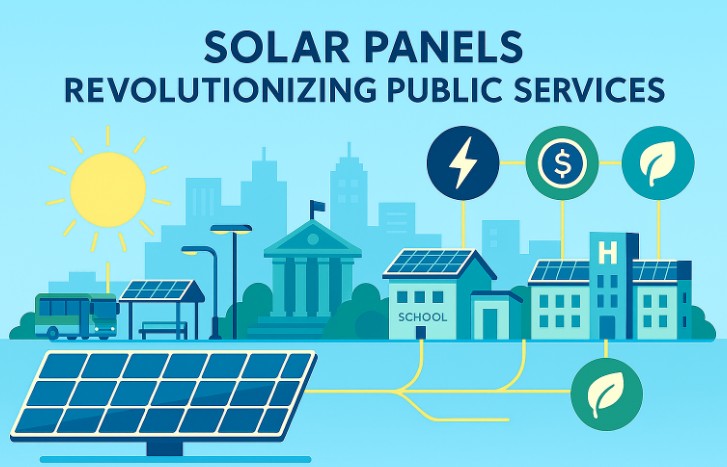
Public institutions, including hospitals, schools, transportation systems, and government buildings, have increasingly turned to solar photovoltaic systems to address their energy requirements. Municipalities are outfitting administrative structures with rooftop solar installations, while public parks and recreational facilities are deploying solar-powered lighting and utility systems. This shift not only highlights solar energy’s versatility but also demonstrates its adaptability to meet diverse public service needs.
Federal and state governments have played a critical role in advancing the integration of solar energy into public services. Policies offering tax credits, subsidies, and grants for renewable energy adoption have incentivized public agencies to transition to solar-based operations. Additionally, partnerships between public institutions and private solar energy providers have expedited the implementation of large-scale projects.
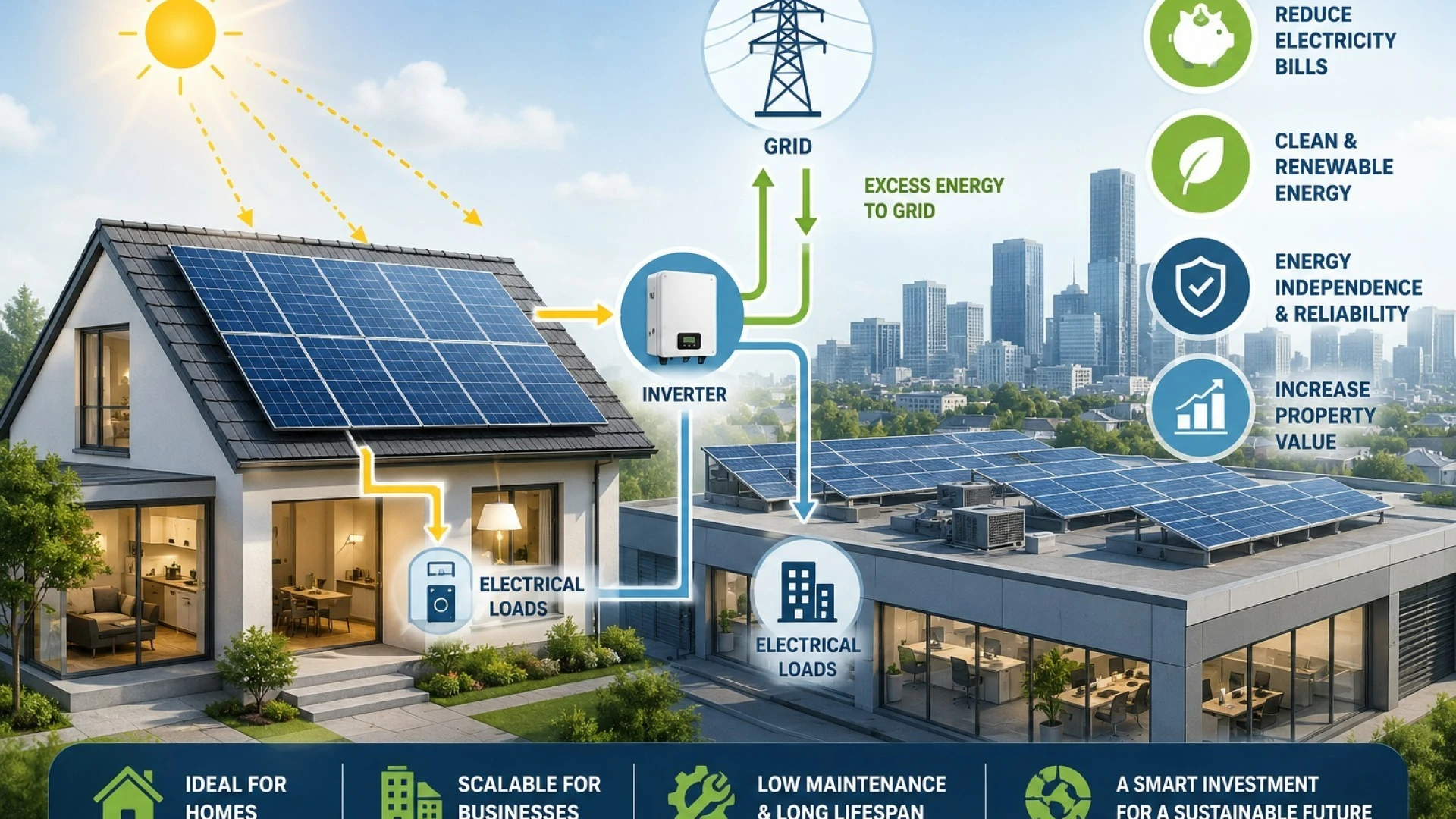
One significant factor driving this transition is the potential for long-term cost savings. Solar panels can lower operational expenses by reducing reliance on traditional grid electricity, while simultaneously generating surplus energy that can be reintegrated into the grid. Moreover, the environmental benefits such as reductions in carbon emissions and a lesser dependency on fossil fuels enhance the appeal of solar as a viable alternative.
As these developments unfold, the increasing prevalence of solar panels in public services has indicated a major shift in how communities nationwide approach energy consumption and sustainability goals. The adoption of solar energy systems not only supports economic advantages but also aligns with broader climate action strategies.
3 Reasons Why Renewable Solar Panels Are Becoming Essential for Public Services
Public agencies are under mounting pressure to stretch budgets, guarantee uninterrupted service, and uphold bold climate pledges, solar checks all three boxes.
- Cost-Effectiveness Amid Budget Pressures The rising adoption of solar panels in public services stems from their ability to cut operational costs. Many government departments and public utilities face budget constraints and are continually searching for cost-efficient solutions. Solar energy offers a long-term reduction in expenditures by lowering electricity bills and reducing dependency on fossil fuels.
Simultaneously, tax incentives and grants further enhance the financial appeal of transitioning to renewable solutions. This cost advantage enables public services to allocate funds to other critical areas, such as healthcare, education, and infrastructure improvements.
- Energy Reliability and Resilience Public services often demand uninterrupted power supply, as energy disruptions can jeopardize critical operations like emergency response systems and water treatment facilities. Solar panels, coupled with battery storage technology, provide a steady and reliable energy source, even during grid outages.
This energy independence is particularly essential in geographically remote or disaster-prone areas, where access to centralized power grids may be unreliable. Solar panels also reduce vulnerability to fluctuating energy prices, ensuring consistent resource availability for essential services.
- Commitment to Environmental Goals Governments and public bodies are under increasing pressure to meet environmental sustainability targets and reduce carbon emissions. Transitioning to solar power significantly decreases the carbon footprint of public facilities, setting an example for communities and businesses.
Solar panels contribute to cleaner air and reduced pollution, aligning with broader environmental objectives. Moreover, embracing renewable energy signifies a proactive commitment to combating climate change, which enhances public trust and strengthens the reputation of government institutions implementing these initiatives.
5 Benefits of Solar Panels for Public Services
Beyond the big-picture reasons, day-to-day advantages make solar an obvious upgrade for government facilities.
- Reduction in Operating Costs Solar panels contribute significantly to reducing energy expenses for public institutions. Government buildings, schools, and transportation hubs can lower their utility bills by transitioning to solar energy. This enables public service entities to allocate more resources toward essential services, infrastructure improvements, or community programs.
- Environmental Sustainability Leveraging solar energy minimizes dependence on non-renewable energy sources, thus reducing greenhouse gas emissions. Public services adopting solar power contribute to environmental preservation, aligning with global goals for sustainability. This shift also sets a strong example for communities to adopt cleaner energy practices.
- Increased Energy Independence Solar panels provide public services with greater autonomy over their energy needs. By generating their own power, facilities such as water treatment plants and municipal offices reduce their reliance on external energy providers. This independence ensures continuity of operations, even during energy crises or grid interruptions.
- Resilience in Emergencies Solar systems, when paired with battery storage, enhance resilience during power outages or natural disasters. Public services like hospitals, emergency shelters, and fire stations can sustain critical operations with minimal disruption. This capability is particularly beneficial in regions prone to extreme weather events.
- Job Creation and Economic Growth Expanding solar projects within the public sector stimulates local job creation. Installation, maintenance, and operation of these systems create opportunities for skilled labor. Additionally, public adoption of renewable energy can encourage private sector investments, fostering economic growth in surrounding communities.
Such benefits position solar panels as a practical and ethical solution for strengthening public services while addressing environmental challenges.
5 Challenges of Implementing Solar Panels in Public Sectors
Implementing solar panels in public sectors presents a range of challenges that require careful navigation. While solar energy offers significant benefits, these obstacles can delay adoption and increase overall complexity.
- High Upfront Costs Solar panel installations demand substantial financial investments upfront. Though long-term energy savings are evident, public sector budgets often allocate limited funds for initial costs. This creates a dependency on grants, loans, or subsidies that may not always be accessible. Additionally, the cost of integrating solar solutions with existing infrastructure further complicates financing efforts.
- Long Payback Periods The return on investment (ROI) for solar panel installations can take years to materialize. For public entities accountable to taxpayers, this lengthy payback period can pose challenges in justifying expenditures. Decision-makers often face pressure to prioritize projects with more immediate benefits, thereby sidelining solar initiatives.
- Regulatory and Compliance Barriers Navigating regulatory frameworks and compliance standards can complicate solar panel projects. Many states enforce unique permitting processes, zoning laws, and grid interconnection requirements. Public institutions must navigate these hurdles while adhering to energy efficiency mandates and environmental regulations, potentially slowing down project timelines.
- Space and Location Constraints Public buildings and facilities may lack sufficient roof space, structural capacity, or open land for optimal solar panel deployment. Urban areas, in particular, face challenges due to high-density development and shading from tall buildings. This limits the efficiency of solar energy generation and necessitates creative solutions, such as shared solar or community solar programs.
- Maintenance and Operational Challenges Managing and maintaining solar installations presents ongoing challenges. Public entities must allocate resources for cleaning, repairing, and monitoring systems to ensure consistent energy production. Additionally, a lack of technical expertise in certain regions may require outsourcing to external vendors, increasing reliance on third-party entities.
These challenges underscore the importance of strategic planning and innovative solutions for sustainable solar energy adoption in the public sector.
Real-World Examples of Solar-Powered Public Services
Solar technology is being integrated into public services across various sectors, demonstrating its adaptability and effectiveness. Numerous cities and municipalities nationwide have utilized solar panels to enhance infrastructure, reduce operational costs, and promote sustainability in diverse ways.
One significant example is the deployment of solar-powered streetlights. Cities such as Los Angeles and Denver have replaced traditional streetlights with solar-powered LED alternatives, reducing energy dependence while cutting emissions and maintenance costs. These systems often include battery storage, enabling streetlights to function during power outages and promoting public safety during emergencies.
Public transportation systems have also embraced solar energy to great effect. In San Francisco, bus stops and transit shelters are frequently equipped with solar panels to power lighting, displays, and even mobile charging stations. Meanwhile, Chicago's Metro Rail has incorporated photovoltaic systems at parking facilities, using solar energy to offset electricity used for lighting and ticketing systems.
Water management entities are another area where solar power has made a substantial difference. The Sonoma County Water Agency in California uses solar power for water pumping stations, significantly reducing its carbon footprint while achieving long-term cost savings. Similarly, solar arrays installed at wastewater treatment plants in Massachusetts have allowed municipalities to decrease operational expenses and minimize reliance on grid energy.
Schools and government buildings have increasingly adopted rooftop solar paneling. For example, New York City public schools have embraced photovoltaic installations to generate renewable energy for classrooms, aligning with the city's broader climate action plan. In addition, solar panel systems on libraries and administrative offices in smaller towns have demonstrated economic benefits as energy bills decrease.
Emergency preparedness has also seen advancements thanks to solar-powered systems. Following Hurricane Maria in Puerto Rico, solar microgrids were implemented at hospitals, fire stations, and community centers to ensure uninterrupted access to electricity in future disasters. These microgrids have become a model for integrating renewable energy in disaster-prone regions.
These examples illustrate how solar panels are revolutionizing public services, making them resilient, eco-friendly, and cost-effective.
3 Solutions Overcoming Challenges in Solar Panel Implementation for Public Services
Public services integrating solar panels often encounter challenges that can hinder efficiency, cost-effectiveness, and adoption rates. To address such obstacles, strategic solutions have been proposed and implemented with success, enhancing the practicality of solar energy within the sector.
1. Improving Grid Connectivity and Infrastructure
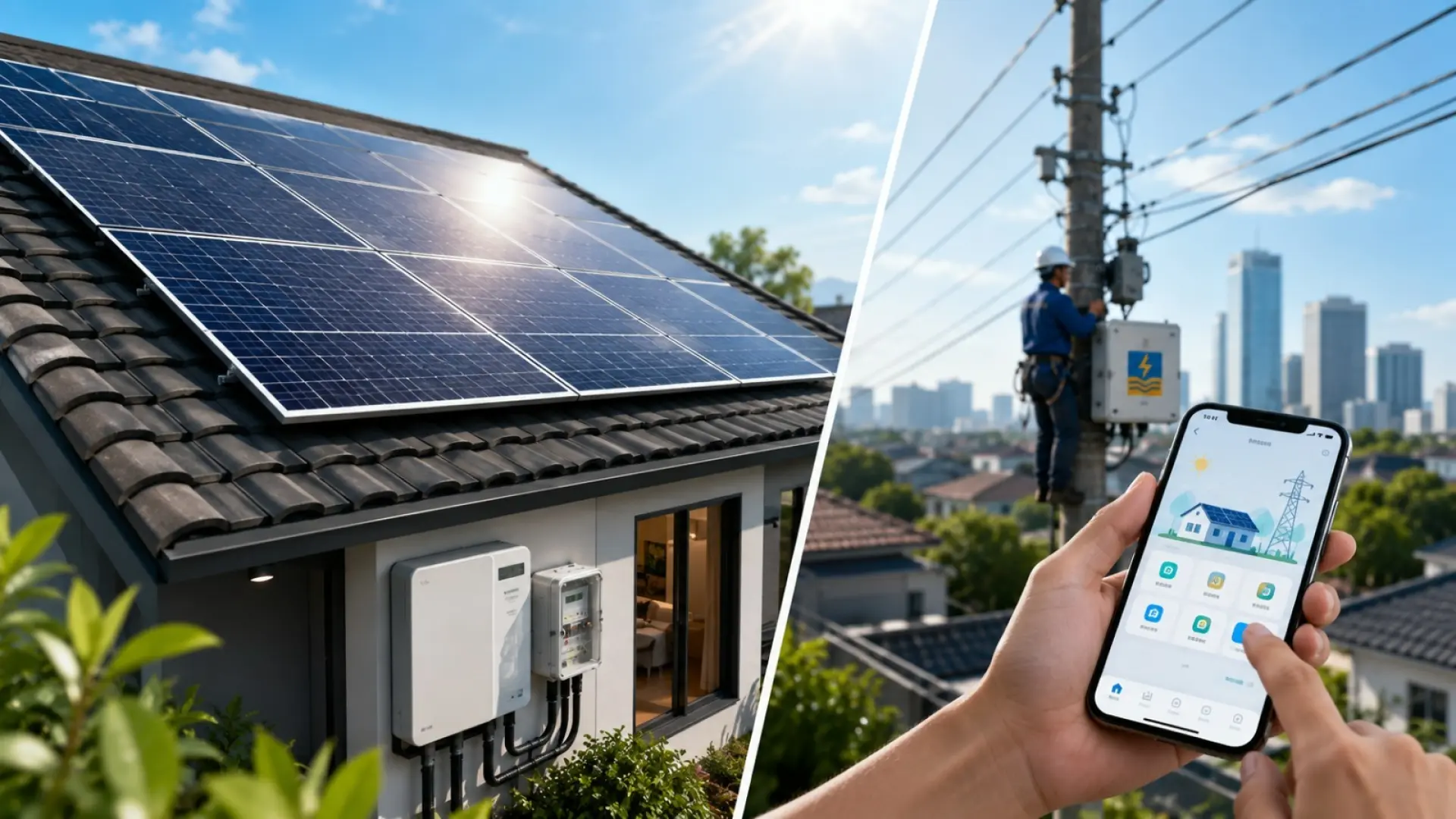
One of the primary challenges of solar panel adoption for public services is an outdated or insufficient infrastructure to efficiently manage energy generated from renewable sources. To combat this issue, local governments and utility companies are focusing on upgrading grid systems to allow seamless integration of solar energy. Smart grids and energy storage systems are being deployed, ensuring energy captured during peak sunlight periods is stored and redistributed effectively. Additionally, improving connectivity allows public facilities to experience minimal disruption while reducing dependence on traditional energy sources.
2. Incentivizing Community and Stakeholder Engagement
Resistance from key stakeholders, including local municipal leaders and service providers, can slow the adoption of solar panels due to concerns over feasibility or cost. To overcome these challenges, governments and organizations are offering financial incentives, grant programs, and tax credits specifically for public service entities. By highlighting long-term cost savings and showcasing successful implementation models in other regions, decision-makers are encouraged to take proactive approaches. Public awareness campaigns also help drive community support, creating momentum that alleviates political and structural barriers tied to solar panel adoption.
3. Enhancing Technology and Maintenance Accessibility
The high initial investment and ongoing maintenance demands of solar panels pose a challenge for public services operating on limited budgets. Addressing these concerns involves developing cost-effective technological advances, such as more durable photovoltaic cells and streamlined installation methods. Partnerships with solar technology providers have been established to create affordable leasing options and maintenance packages. Accessible training programs are also empowering public sector workers to manage routine upkeep without extensive reliance on external technicians, ultimately sustaining functionality and reducing costs.
By deploying these solutions, many public services have successfully mitigated common implementation hurdles, paving the way for widespread energy transformation. The approach prioritizes infrastructure development, stakeholder involvement, and technological innovation, ensuring that solar energy becomes a reliable component of public service operations.
Curious how Apollo Solar Indonesia supports projects like this? Get in touch.