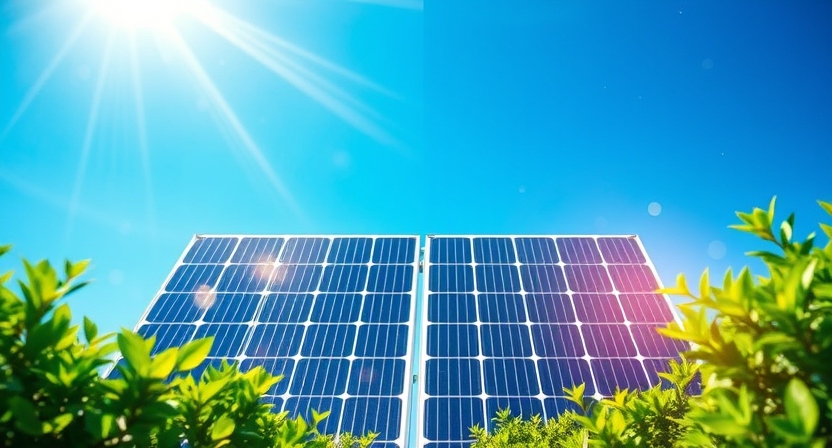
The solar industry continues to evolve, introducing more efficient and cost-effective solutions. Among these innovations, half-cell solar panels have emerged as a noteworthy development, offering a unique approach to harnessing solar energy. This article delves into the world of half-cell solar panels, exploring their design, efficiency, and potential drawbacks.
What are half-cell solar panels?

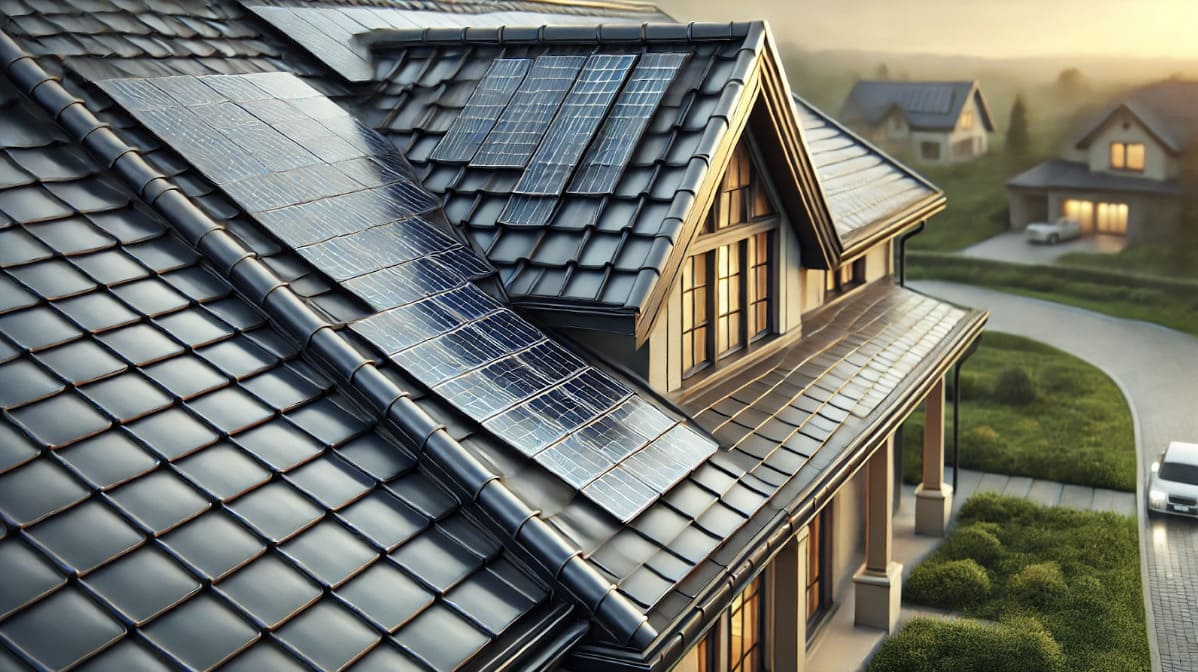
Half-cell solar panels are a variant of traditional solar panels, with the primary difference lying in their cell structure. Standard solar panels typically comprise full-sized solar cells, but half-cell panels consist of cells that are cut in half. This modification might seem minor, but it significantly impacts the panel's performance and efficiency.
The use of smaller cells in half-cell panels results in several benefits. These include reduced electrical resistance within the cells, which enhances the panel's overall efficiency. Additionally, because these cells are smaller, they are less prone to mechanical stresses and potential cracking, thereby improving the panel's durability.
Are half-cell solar panels better?
When comparing half-cell panels to traditional panels, several factors make them a superior choice in certain contexts. The primary advantages of half-cell solar panels include:
- Increased Efficiency: Half-cell panels often exhibit higher efficiency rates due to reduced resistive losses. This means they can convert more sunlight into electricity compared to standard panels.
- Better Performance in Shade: These panels are less affected by shading. If one part of the panel is shaded, the other parts continue to function efficiently, minimizing the impact on overall performance.
- Enhanced Durability: The smaller cell size reduces the risk of cracks, which can extend the lifespan of the solar panel.
How Half Cell Solar Panels Work?
Half-cell solar panels are a notable innovation in solar technology, characterized by cells that are literally cut in half. This design allows for a greater number of cells on a single panel, leading to several advantages. Firstly, the halved cells result in reduced current flow through each cell, which significantly lowers resistive losses and improves power output. Secondly, the smaller cells are less prone to mechanical stress, reducing the likelihood of cracking and enhancing the panel's durability.
The panels are usually divided into two independent sections, so if one part is shaded or damaged, the other can still function efficiently. This design also requires a more precise manufacturing process, with challenges in delicately cutting the cells and stringing narrow connectors, but these are overcome with advanced technology and specialized equipment like smaller junction boxes for each module half. Overall, these panels offer improved efficiency, durability, and performance compared to traditional solar panels.
How efficient are half-cell solar panels?
Half-cell solar panels typically outperform traditional full-cell panels in efficiency, durability, and temperature resilience. They are approximately 3% more efficient, translating to higher energy output for the same size and power rating. This efficiency gain is due to reduced resistive losses and improved shading tolerance.
Additionally, half-cell panels have a better temperature coefficient, meaning they perform more effectively under high temperatures, a key advantage in warmer climates. While initially more expensive, their increased efficiency, lower operating temperatures, and greater durability, which reduces the likelihood of micro-cracks and hotspots, make them a cost-effective choice in the long run.
What are the disadvantages of half-cell solar panels?

Here are several disadvantages of half cell solar panels:
- Manufacturing Complexity and Cost:
The process of manufacturing half-cell solar panels requires significant investment in equipment. This is because the number of tabber & stringers must be doubled, and specialized equipment is needed to cleave the solar cells. Consequently, half-cell modules can cost around 0.6-1.2% more than whole-cell modules. However, this increased cost can be offset by the power increase and reduced cost per watt.
- Increased Risk of Defects:
The manufacturing process of half-cell solar panels involves twice the number of soldered connections compared to full-cell panels. This increases the probability of bad contacts. Additionally, cutting the solar cells in half raises the chance of creating defective cells, although this issue can be mitigated with proper quality control
- High Initial Investment:
Specifically for 9BB half-cell panels, the upfront cost is relatively high, around $1 per watt of solar panels. This might pose a financial challenge, especially for smaller projects. However, the long-term performance and efficiency gains of these panels can cover this cost over their service life.
- Limitation in Panel Stringing:
Due to the half current flow in 9BB half-cell solar panels, which doubles the voltage, there's a limit to the number of panels that can be wired in a string and connected to the inverter.
- Extra Manufacturing Steps:
Cutting solar cells is an additional step in manufacturing 9BB half-cell solar panels, adding to the fabrication cost. The increased amount of soldering also raises the potential for bad contacts.
To understand the technical details behind half-cell design and how it compares across Apollo's product lineup, see our in-depth guide: Half-Cell Solar Panels: The Key to Greater Energy Output and Cost Savings.