The Pulau Sembur solar plant in Batam shows how solar energy can power the local fishing economy on a frontier island
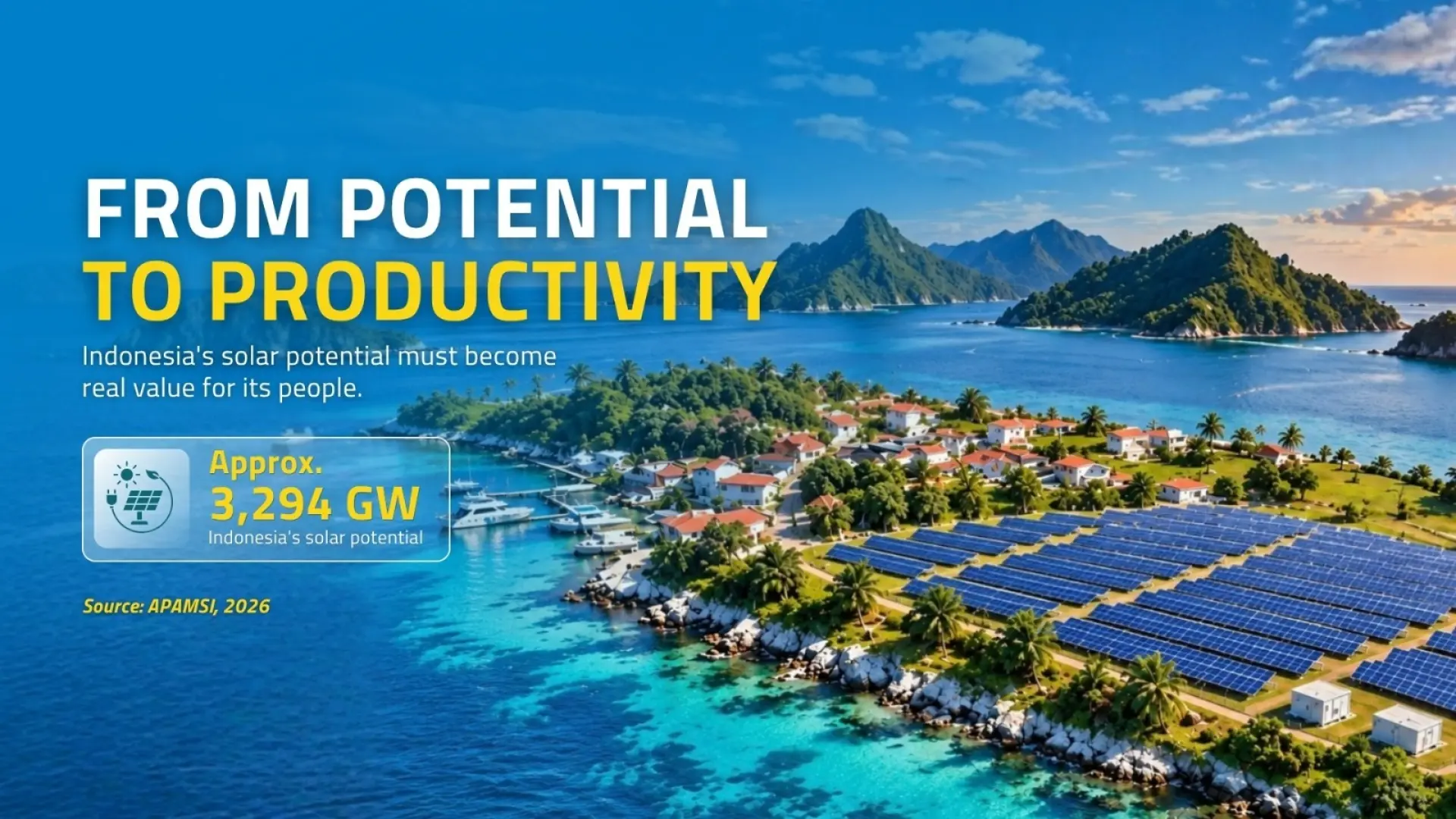
BATAM, INDONESIA, 21 September 2026. The development of the solar power plant (Pembangkit Listrik Tenaga Surya, PLTS) on Pulau Sembur, Batam, Riau Islands, is being regarded as a model for how the energy transition can drive economic activity at the grassroots level. For an archipelagic nation with an estimated solar energy potential of 3,294 gigawatts (GW), the presence of solar power should not stop at lighting alone.
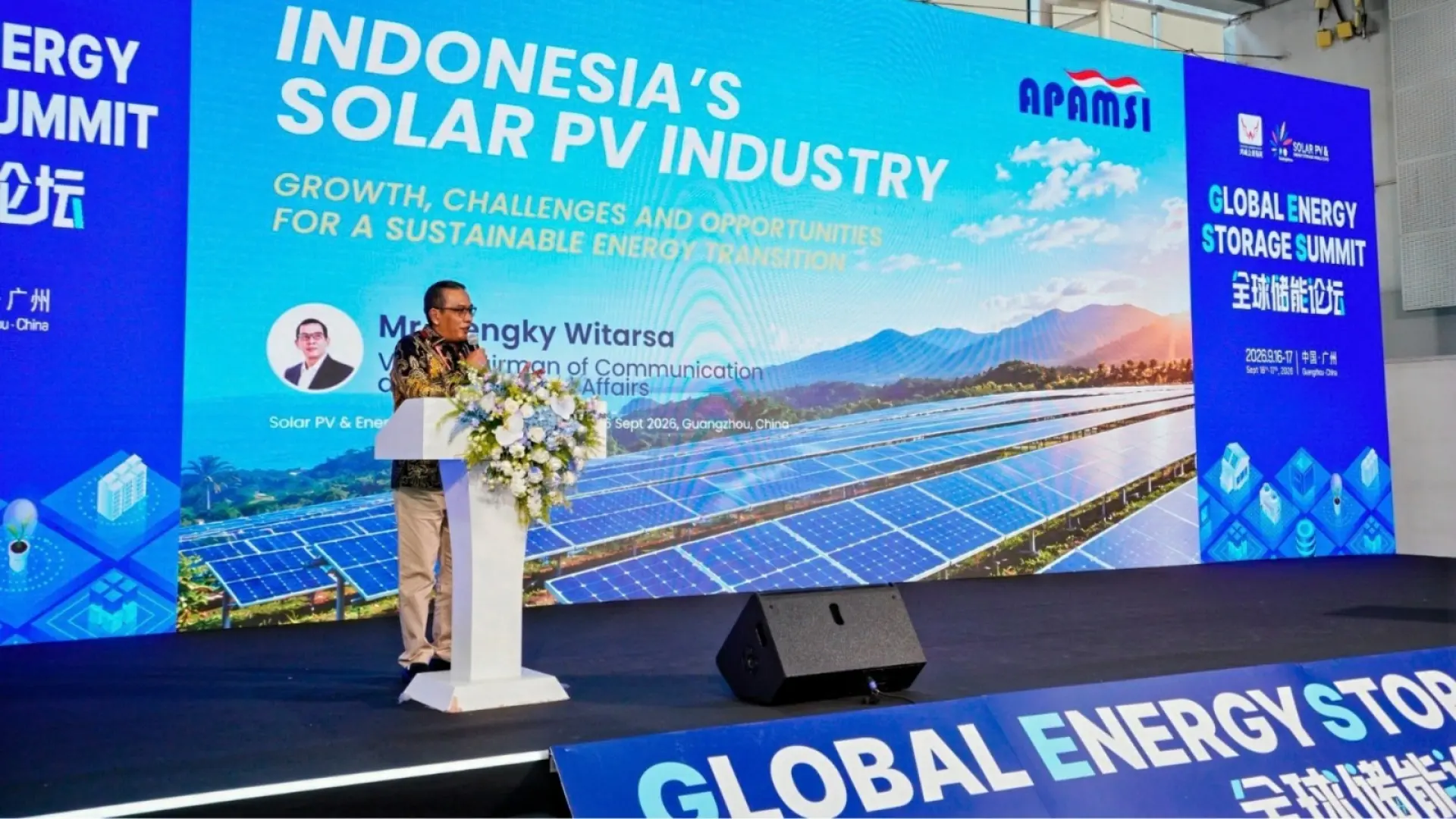
Chief of Operations of Apollo Solar Indonesia and Vice Chairman III of the Indonesian Solar Module Manufacturers Association (Asosiasi Pabrikan Modul Surya Indonesia, APAMSI), Ir. Hengky Witarsa, DJ, S.T. stated that this vast potential must be translated into productivity for local communities.
"Indonesia has abundant sunshine and thousands of islands. The challenge now is how to turn that potential into productivity and economic growth for the people," Hengky Witarsa said in Batam on Monday, 21 September 2026.
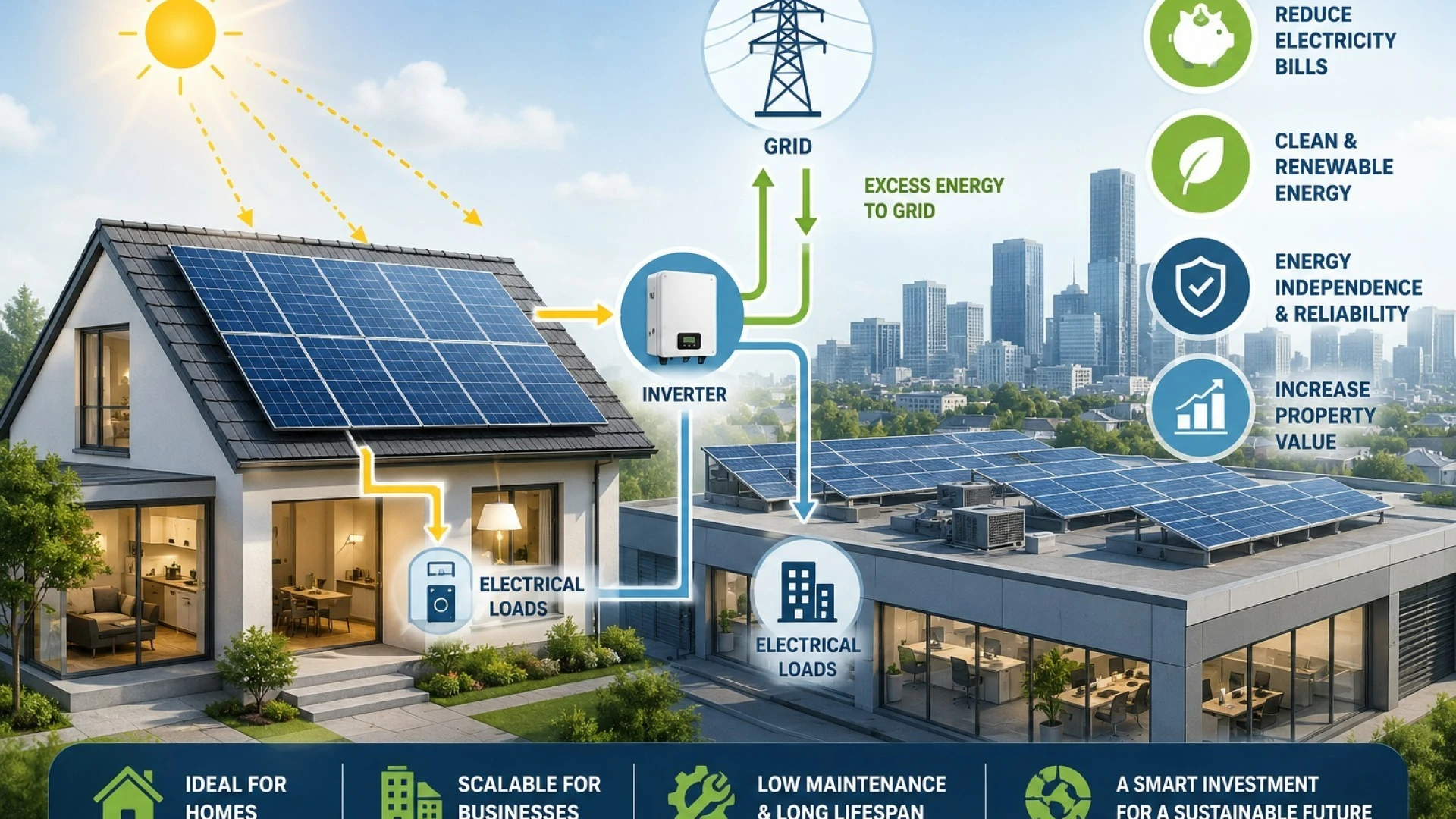
The Pulau Sembur plant has a capacity of approximately 0.92 MWp, equivalent to 925.6 kilowatt peak (kWp) and close to 1 megawatt peak (MWp), and is equipped with a Battery Energy Storage System (BESS) rated at 1 megawatt hour (MWh). After entering commissioning on 17 August 2026, the facility now supplies 24-hour electricity to around 200 households. Pulau Sembur is a frontier island bordering Singaporean waters, reachable only by roughly one hour of sea travel from Batam.
The project was developed around the concept of productive use of energy, in which electricity serves as a driver of production rather than merely a source of lighting. Because around 90 percent of residents depend on fisheries, the solar power is used to run an ice machine with a capacity of 4 tons per day, a cold storage unit with a capacity of 5 tons, clean water supply, and the distribution of the daily catch.
"Pulau Sembur shows that solar energy can become part of a community's economic infrastructure. The electricity is not only for household consumption, but is directly tied to the income of fishermen," Hengky Witarsa said.
All business facilities are being connected to the Merah Putih Village Cooperative (Koperasi Kelurahan Merah Putih, KKMP) of Galang Baru, which is projected to manage both the plant and its supporting business units. Operations involve local workers, with six young residents of Pulau Sembur having completed training and obtained certification from the Ministry of Energy and Mineral Resources (ESDM).
According to the project outline, the plant has the potential to reduce fuel consumption by around 877 liters per day, or roughly 320,000 liters per year, while opening opportunities for downstream fishery products. These savings figures remain project estimates and have not yet been verified as actual results.
As part of the early phase of the government's 100 GWp Solar Program, Pulau Sembur is expected to serve as a model that can be replicated across other archipelagic regions, adjusted to the economic characteristics of each area. According to Hengky Witarsa, such replication also opens room to strengthen the domestic solar module industry through global technology collaboration, knowledge transfer, and the development of the national workforce.
About Apollo Solar Indonesia
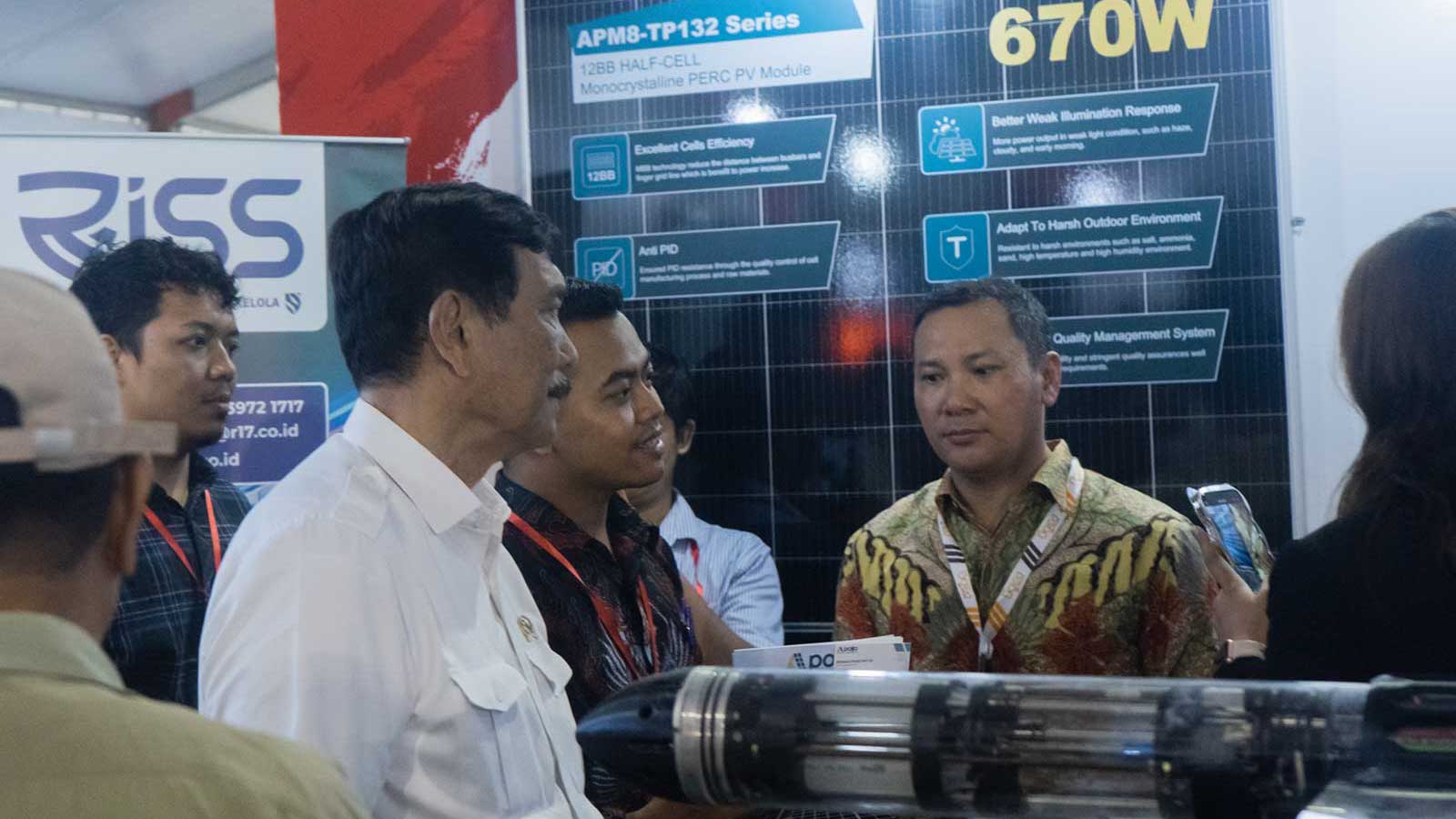
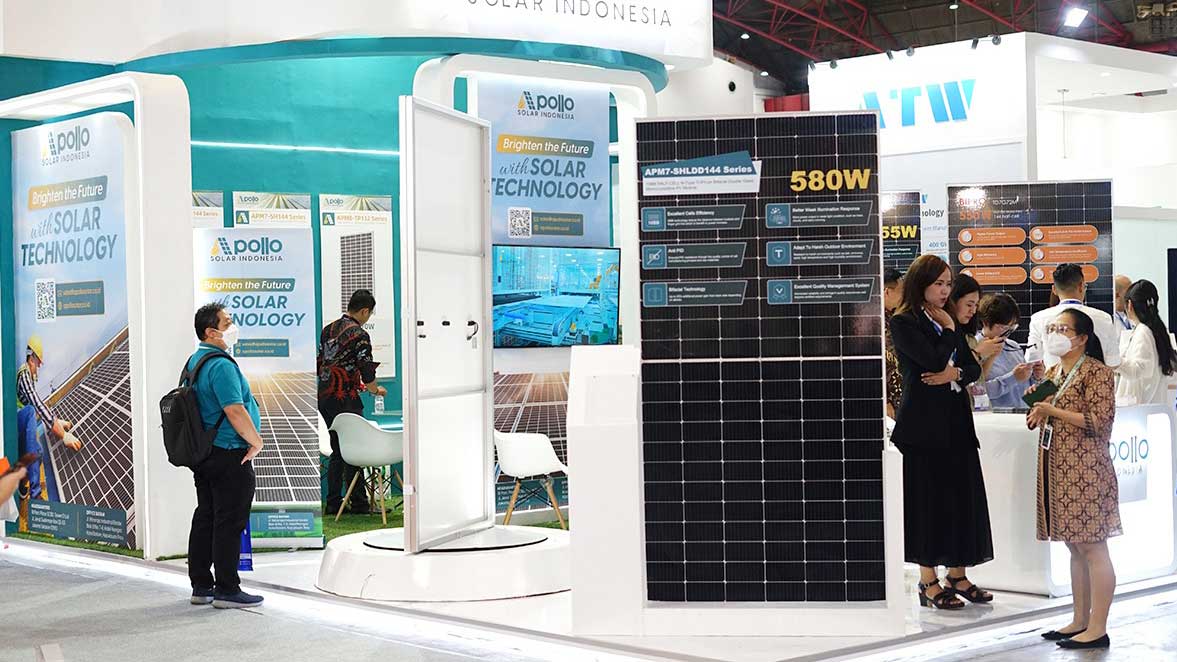
PT Apollo Solar Indonesia is a leading solar module manufacturer in Indonesia. Its photovoltaic (PV) module plant in Batam has been operational since February 2023 with an annual production capacity of 600 MW. The company's portfolio spans monocrystalline PERC and N-Type TOPCon modules across its Java, Bali, Sumatra, and Kalimantan series, ranging from 390 W to more than 670 W, complemented by solar project development, construction and operation and maintenance (O&M) services as well as integrated solar energy storage systems.
Apollo Solar Indonesia's products carry international and domestic certifications, including IEC 61215 and IEC 61730, TUV, CSA, CB, and CE, backed by ISO 9001, ISO 14001, and ISO 45001 management systems and a domestic component level (Tingkat Komponen Dalam Negeri, TKDN) of 40.60 percent. To date, the company has cumulatively delivered more than 1.8 million module units, including exports to markets such as the United States and Japan.
More information is available at apollosolarindonesia.com