The demand for energy independence has grown as households, businesses, and communities seek alternatives to conventional energy grids. Rising electricity costs, concerns about power outages, and the global push for sustainability have played pivotal roles in driving the adoption of off-grid energy solutions. These systems operate independently of centralized electrical grids, offering both environmental and economic advantages.
Off-grid solar systems, in particular, have rapidly gained traction due to advancements in solar panel efficiency, battery storage technologies, and falling installation costs. By harnessing renewable energy directly from the sun, these systems present an opportunity to reduce reliance on fossil fuels and mitigate carbon emissions. Importantly, they contribute to energy security by ensuring access to electricity even in areas prone to grid disruptions, including rural regions or disaster-affected zones.
The transition towards off-grid energy is further supported by governmental policies and incentives promoting renewable energy infrastructure. Tax credits, rebates, and subsidies are available in many regions to offset initial installation costs, making such solutions accessible to a broader audience. Additionally, the ability to generate power independently has empowered consumers to take control of their energy usage, leading to long-term cost savings and greater resilience.
Off-grid energy systems also align with shifting consumer values emphasizing sustainability and self-sufficiency. The increased social awareness about climate change and the finite nature of non-renewable resources has influenced global energy behaviors. Scenarios like these highlight not just practicality but also the ethical appeal of transitioning away from grid dependency.
This movement encapsulates more than just a technological shift; it signifies a reimagining of how energy is utilized and distributed to meet evolving societal needs.
Understanding Off-Grid Solar Systems: A Comprehensive Overview
Off-grid solar systems, also known as standalone systems, operate independently of the traditional utility grid, providing a decentralized energy solution. These systems are designed to generate, store, and deliver electricity in areas where grid access is unavailable, unreliable, or intentionally disconnected. They consist of several key components, each functioning cohesively to ensure energy supply meets demand.
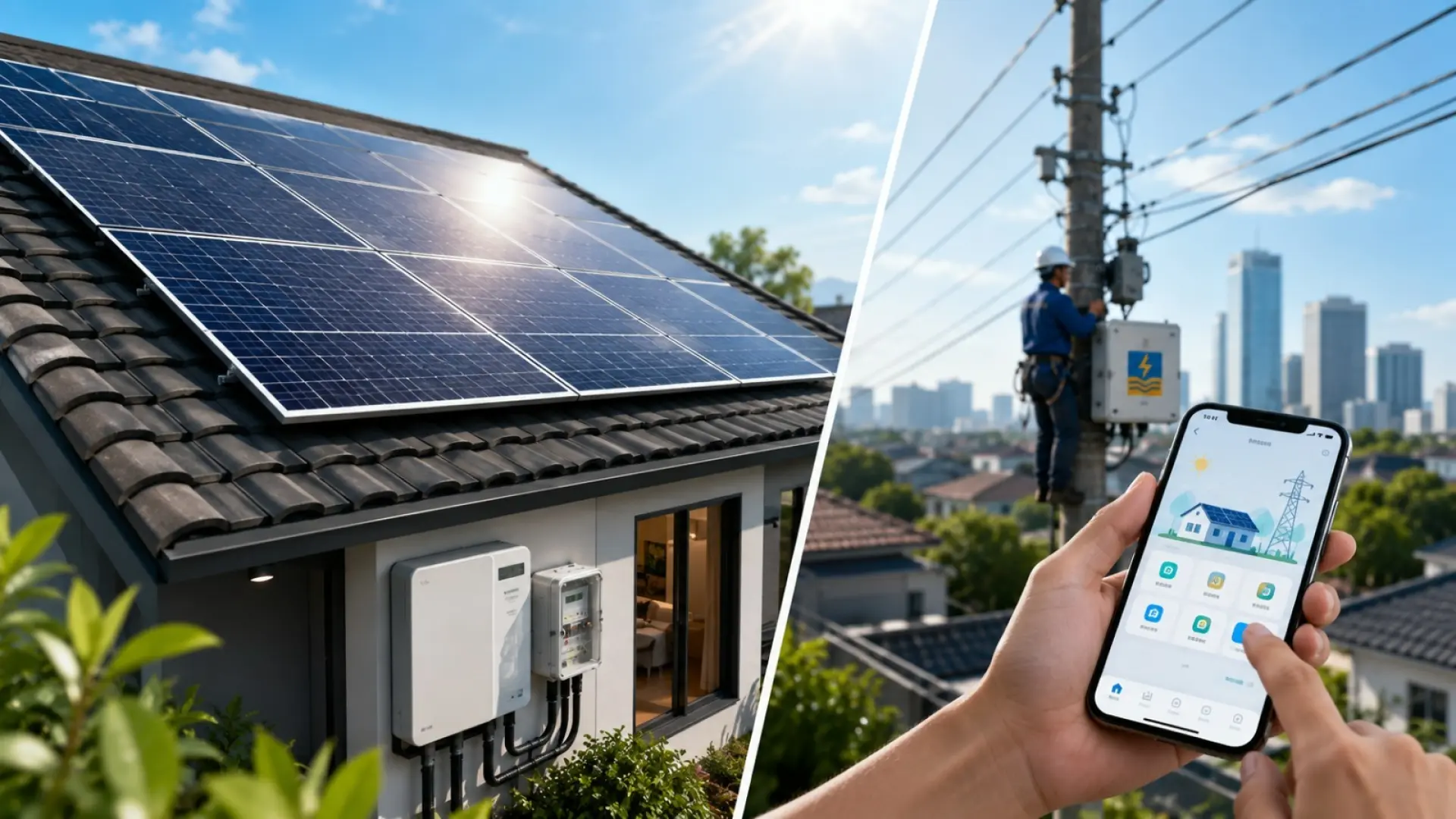
The main components of an off-grid solar system include solar panels, which convert sunlight into electricity; a charge controller, which manages the flow of power to prevent battery overcharging; batteries, which store excess electricity for later use, particularly during nighttime or cloudy periods; and an inverter, which transforms the stored energy from direct current (DC) to alternating current (AC) usable by household devices. Additional elements may include a backup generator or monitoring system to enhance reliability and performance tracking.
Such systems are tailored to meet specific energy needs, considering factors like location, climate, and usage patterns. Energy requirements determine the size and capacity of the system, with careful calculations ensuring that solar generation aligns with consumption while accommodating for periods of low sunlight.
Off-grid solar systems are commonly used in remote locations, off-the-beaten-path properties, and as empowering solutions for disaster-prone regions. They provide an ideal option for those seeking energy independence and sustainability. Though the upfront costs can be higher compared to grid-connected systems, the lack of utility bills and ongoing advancements in technology make them increasingly cost-effective over time.
Adopting off-grid solar promotes environmental benefits by reducing reliance on fossil fuels and minimizing carbon footprint. As technology progresses, such systems become more resilient and efficient, solidifying their role as a reliable energy alternative. Understanding these systems is vital for making informed decisions on energy solutions targeted to individual or regional needs.
7 Key Components of Industrial Off-Grid Solar Systems
An industrial off-grid solar system requires a combination of advanced components working seamlessly to ensure efficient energy generation, storage, and distribution. These elements are crucial for achieving both reliability and independence from traditional energy grids.
1. Solar Panels
Solar panels form the foundation of any off-grid solar system. In industrial applications, high-capacity photovoltaic (PV) panels made from monocrystalline or polycrystalline silicon are commonly used. They are selected based on energy demands, the location’s solar irradiance, and durability in harsh environmental conditions. The panels convert sunlight into direct current (DC) electricity.
2. Charge Controllers
A charge controller regulates the power flowing from the solar panels to the battery bank. Industrial systems often use maximum power point tracking (MPPT) charge controllers, which optimize energy harvesting and prevent battery overcharging or damage.
3. Battery Storage
Reliable batteries are vital for ensuring uninterrupted power supply, especially during periods of low sunshine or at night. Lithium-ion and lead-acid battery technologies are popular choices in industrial systems. These batteries store excess electricity generated by the solar panels and discharge it when needed. Factors such as battery capacity, efficiency, and lifespan play a significant role in their selection.
4. Inverters
Inverters convert the DC electricity produced by the solar panels and stored in the batteries into alternating current (AC), which is typically used to power industrial equipment. High-capacity sine wave inverters ensure compatibility with sensitive machinery while minimizing energy losses.
5. Mounting Structures
Durable mounting structures are essential for securing solar panels in place. For industrial setups, options include ground-mounted systems, rooftop installations, or solar trackers that adjust panel angles to maximize sunlight exposure. These structures must withstand extreme weather while maintaining optimal panel orientation.
6. Wiring and Combiner Boxes
Specialized wiring and combiner boxes are used to aggregate power from multiple solar panel arrays and safely channel it to the charge controller and other components. Industrial systems require robust, weather-resistant wiring to handle high power loads and ensure compliance with safety standards.
7. Monitoring and Control Systems
Modern industrial setups integrate advanced monitoring and control systems. These allow operators to track performance data, identify faults, and optimize energy distribution in real-time. Wireless or cloud-based platforms often enable remote accessibility for enhanced efficiency and system oversight.
By strategically combining these components, industrial off-grid solar systems deliver scalable solutions tailored to meet power demands and environmental conditions. Robust design ensures operational continuity while minimizing dependency on conventional energy sources.
Advantages of Off-Grid Solar Systems in Industrial Applications
Off-grid solar systems offer significant benefits for industrial applications, making them an increasingly attractive solution for companies seeking sustainable energy alternatives. These systems operate independently from traditional electricity grids, ensuring reliable power supply, particularly in remote locations or areas with inconsistent grid service. They empower industrial facilities to achieve greater control of their energy infrastructure while enhancing operational efficiency.
-
Reliability in Remote Locations
Off-grid solar systems are perfectly suited for industrial operations in remote areas where access to grid power is limited or unavailable. Industries such as mining, agriculture, and construction frequently operate in isolated locations where grid installation costs are prohibitive. The deployment of off-grid systems eliminates reliance on fossil-fuel-based generators, reducing both operating costs and environmental impact.
-
Cost Efficiency
By utilizing solar photovoltaics combined with energy storage systems, industries can significantly reduce energy costs. Although initial setup costs may be higher, the long-term savings on electricity expenses outweigh the investment. This is particularly advantageous for manufacturing plants and heavy-duty industrial frameworks where energy consumption is intensive. The protection against rising energy prices provides businesses with financial predictability and stability.
-
Energy Independence
Industrial facilities using off-grid systems achieve complete energy independence. This ensures production continuity during grid outages or disruptions while safeguarding major operations like water management, refrigeration, or critical machinery. Such independence is crucial for industries requiring uninterrupted operations, helping avoid costly delays or downtime.
-
Environmental Benefits
Off-grid solar solutions curtail carbon emissions, allowing industries to meet sustainability mandates and environmental regulations. Companies adopting off-grid solar systems demonstrate their commitment to reducing their ecological footprint, enhancing their corporate reputation among stakeholders, investors, and customers.
-
Scalability and Customization
These systems are highly scalable and can be tailored to meet specific industrial energy needs. Whether required for small-scale operations or multi-facility enterprises, off-grid solar applications offer flexible configurations. Modular designs enable future expansion without the need for extensive redesign, accommodating growing industrial demands seamlessly.
Cost Analysis: Off-Grid Solar vs. Traditional Energy Sources
Off-grid solar systems and traditional energy sources like grid electricity and fossil fuel-based generators present distinct cost structures, influencing both upfront expenses and long-term investments. A detailed cost analysis can help decision-makers understand these differences.
Upfront Costs
- Off-Grid Solar Systems: The initial expenses for off-grid solar installations include purchasing solar panels, batteries for energy storage, inverters, and charge controllers. For an average household, upfront costs can range between $10,000 and $30,000, depending on energy needs, system size, and location. Incentives such as tax credits or subsidies may offset installation expenses, reducing this burden.
- Traditional Energy Sources: Initial costs for grid connectivity vary based on proximity to utility lines. Extending power lines to remote locations can exceed $20,000 per mile in some regions. For fossil fuel generators, equipment costs range between $500 and $5,000, excluding fuel storage systems.
Ongoing Costs
- Off-Grid Solar Systems: These systems generally require minimal maintenance, with occasional cleaning and inspections of panels, batteries, and inverters. Operating costs are low as sunlight is a free source of energy, though battery replacements every 5–15 years may represent a significant expense.
- Traditional Energy Sources: Grid electricity users face monthly utility bills influenced by consumption and fluctuating energy prices. Fossil fuel generators incur regular costs for fuel, often making them expensive over time due to rising fuel prices and inefficiency.
Longevity and Savings
Off-grid solar offers long-term financial benefits by eliminating electricity bills and shielding users from utility rate hikes. Traditional solutions, although initially cheaper for populated areas, may result in higher cumulative spending due to recurring costs. Transitioning away from fossil fuels is also expected to escalate policy-driven costs for emissions-heavy sources. These factors highlight the economic appeal of off-grid solar solutions for sustainable energy independence.
Challenges in Adopting Off-Grid Solar Systems for Industries
Industries face several hurdles when transitioning to off-grid solar systems, despite their potential to reduce operational costs and increase energy independence. These challenges often stem from financial constraints, technical complexities, and logistical barriers, which can impact the feasibility and scalability of such solutions.
-
High Initial Investment
One of the primary challenges revolves around the high upfront capital required to purchase and install off-grid solar systems. Industrial-scale solar setups demand substantial investments in photovoltaic panels, inverters, battery storage, and other ancillary components. While financing options exist, the lack of accessible, low-interest funding discourages businesses from making the shift.
-
Energy Storage and Reliability Concerns
Industries with high energy demands require significant energy storage capacity to maintain operations during non-sunlight hours. The dependence on batteries introduces questions of reliability, as battery degradation over time impacts energy efficiency. Additionally, integrating storage solutions that meet industrial-grade requirements remains costly and technically challenging, particularly in remote or high-demand areas.
-
Space Constraints
Solar panels require considerable space for efficient energy generation. Urban industries or those with limited land availability face difficulties in allocating sufficient areas for photovoltaic installations. This limitation can restrict the scalability of the system for large-scale industrial applications.
-
Complex System Design and Integration
The design and integration of off-grid systems into existing industrial infrastructure present another barrier. Industries must often tailor the design to meet specific energy requirements, necessitating detailed feasibility studies, custom engineering, and expert consultations. This complexity prolongs implementation timelines and raises costs further.
-
Regulatory and Policy Barriers
Inconsistent regulatory frameworks and unclear policies can complicate the adoption process. Industries encounter delays in securing necessary permits, while unfavorable tariff structures or a lack of incentives reduce the economic appeal of off-grid solutions.
-
Maintenance and Technical Expertise
Ensuring the longevity of off-grid solar systems requires regular maintenance and technical know-how. Industries in regions with limited access to skilled technicians might struggle with operational challenges over time. Moreover, the absence of local supplier networks for replacement components adds to the difficulty.
6 Innovative Use Cases of Off-Grid Solar in Industrial Sectors
Off-grid solar systems have gained significant traction in industrial applications due to their adaptability and potential to improve operational efficiency while reducing reliance on traditional energy sources. Industries are leveraging these systems across diverse sectors, driven by the need for cleaner, cost-effective, and sustainable energy solutions.
1. Applications in Remote Industrial Facilities
Remote facilities, such as mining camps and oil exploration sites, often face challenges related to energy access. Off-grid solar systems provide reliable energy sources to meet the electrical demands of heavy machinery, lighting, and communication equipment. These systems eliminate dependency on transporting fuel for diesel generators, thus reducing operational costs and carbon emissions.
2. Integration in Manufacturing Processes
Manufacturing industries increasingly adopt off-grid solar to power critical processes. In sectors like textiles and food processing, solar systems are used to generate heat or run drying and cooling equipment. These solutions ensure uninterrupted energy supply, enabling factories to maintain production timelines, even in areas with inconsistent power grid connectivity.
3. Agricultural Advancements with Solar Systems
Across the agricultural sector, off-grid solar systems play a pivotal role in irrigation, cold storage, and livestock management. Solar-powered pumps enable efficient water distribution to fields, mitigating the reliance on fossil fuel-driven alternatives. Additionally, standalone cold storage facilities keep produce fresh, directly supporting agricultural supply chains and reducing post-harvest waste.
4. Enhanced Communication Networks
Telecommunication towers in remote areas depend heavily on off-grid solar systems to maintain continuous operations. These towers require constant power supply for signal transmission and monitoring. Solar solutions are deployed to meet these requirements cost-effectively while bypassing grid connectivity challenges in distant locations.
5. Emergency and Disaster Response Applications
During natural disasters or humanitarian crises, off-grid solar systems are employed for temporary shelters, medical facilities, and emergency communication setups. These systems provide reliable energy infrastructure, enabling rapid responses and essential services in relief efforts. Their scalability and portability make them ideal for time-sensitive disaster recovery situations.
6. Future Opportunities Across Industry Sectors
As technology evolves, the scope for innovative use cases of off-grid solar in industrial sectors continues to expand. From autonomous systems powering drones in logistics to energy support for underwater operations, industries are increasingly relying on solar solutions to address unique challenges. These developments highlight the transformative impact of off-grid solar across diverse industrial applications.
Future Trends: How Off-Grid Solar Systems Will Shape Industrial Energy
Off-grid solar systems are poised to drive significant transformation in the industrial energy landscape by addressing core challenges such as energy reliability, cost efficiency, and environmental sustainability. Emerging advancements continue to enhance their viability, making them pivotal in reshaping energy consumption patterns across industries.
One of the most notable trends is the integration of energy storage technologies such as advanced lithium-ion and solid-state batteries. These innovations allow industries to store surplus solar energy and utilize it during peak demand periods or when sunlight is unavailable. Improved energy storage technologies also facilitate better load management and reduce dependence on traditional backup systems like diesel generators.
Another key trend involves the implementation of smart energy management systems. Leveraging artificial intelligence and predictive analytics, these systems optimize energy generation and consumption, ensuring maximum efficiency from solar installations. They enable industries to forecast energy needs and adapt to fluctuating demand without operational disruptions.
Microgrid development is becoming increasingly relevant in off-grid solar adoption. Through localized power generation and distribution networks, industries can achieve greater energy independence. With the addition of decentralized storage and monitoring solutions, microgrids ensure resilience against grid failures and natural disasters, essential for continuity in industrial operations.
Industries are also likely to adopt hybrid systems that combine solar power with other renewable energy sources, such as wind or biomass. This approach diversifies energy generation, improves reliability, and smooths supply inconsistencies caused by weather variations. Additionally, hybrid designs align with regulatory shifts prioritizing low-carbon solutions.
Emerging economies are anticipated to benefit significantly from these trends. As solar technologies become more cost-effective, industries in remote or developing regions can leapfrog centralized grid systems, accelerating economic growth while minimizing environmental impact. With these innovative advancements on the horizon, off-grid solar systems are well-positioned to revolutionize industrial energy worldwide.
Planning an off-grid installation for a remote site or industrial operation? Talk to Apollo Solar Indonesia about sizing a system for your specific load and location.