"Monocrystalline vs Polycrystalline Solar Panel" is a debate that resonates deeply within the solar industry, especially as more homeowners and businesses seek to capitalize on the sun's abundant energy. Both types of panels offer the promise of clean energy, yet they come with distinct characteristics that can influence energy output, initial costs, and long-term benefits.
In this comprehensive guide, we'll illuminate the intricacies of these two leading solar technologies, helping you navigate your way to a choice that aligns perfectly with your energy aspirations.
Monocrystalline Solar Panels
- Origin:
The term "monocrystalline" comes from the method used to create these panels. They are derived from a single, pure silicon crystal, which is why they're often termed "single-crystalline."
- Appearance:
Characterized by their uniform, sleek, dark black or dark blue color, monocrystalline panels have rounded edges. The consistent color is due to the high purity of the silicon used.
- Manufacturing:
To produce monocrystalline panels, manufacturers use the Czochralski method. Silicon is placed in a crucible, melted, and a seed crystal is introduced to pull a single crystal ingot. Wafers are then sliced from this ingot.
- Efficiency:
One of the biggest selling points of monocrystalline panels is their efficiency. Because they're made from a single silicon crystal, there's more room for electrons to move, resulting in efficiencies between 15-20%.
- Cost:
The manufacturing process for monocrystalline panels is somewhat more intricate, which often translates to a higher cost. However, this is balanced by their higher efficiency and potential long-term energy savings.
- Longevity:
The high purity of monocrystalline panels can sometimes translate to better durability and longevity, making them a good investment for long-term solar energy projects.
Polycrystalline Solar Panels
- Origin:
Polycrystalline panels, as the name suggests, are made from multiple silicon crystals. This multi-crystalline structure is what sets it apart from the monocrystalline counterpart.
- Appearance:
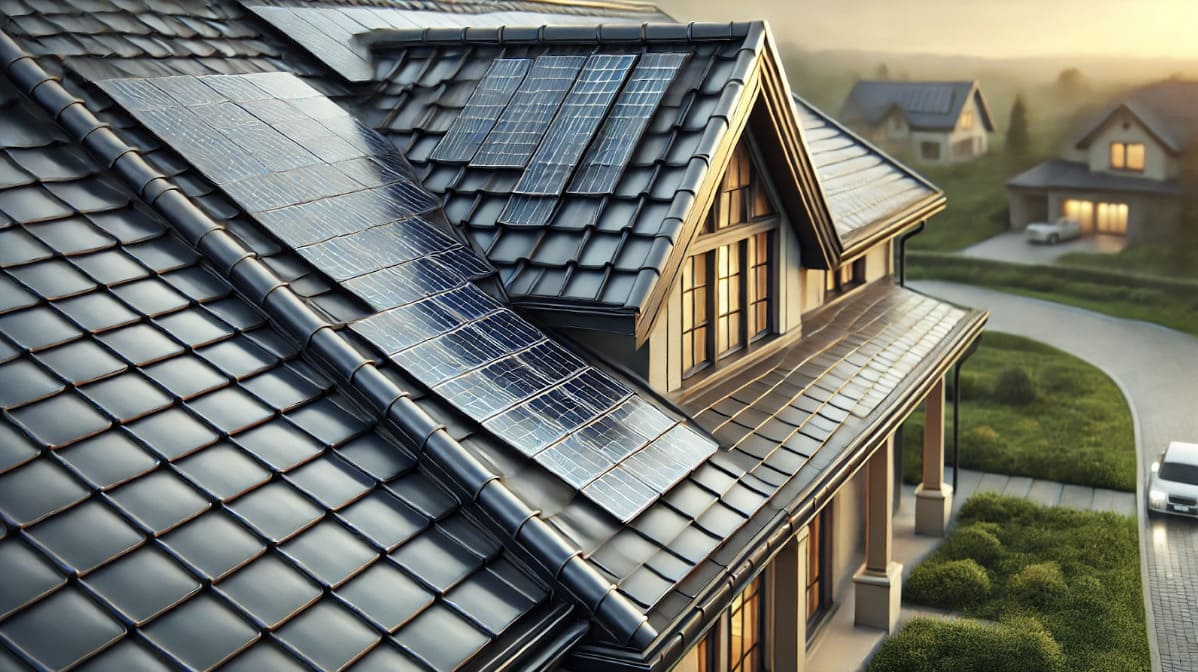
Distinct from the uniform appearance of monocrystalline panels, polycrystalline panels have a speckled blue hue, resembling a mosaic or shattered glass pattern. This appearance is due to the many crystals that they are comprised of.
- Manufacturing:
To make polycrystalline panels, raw silicon is melted and poured into a square mold. This is why they have a characteristic square shape. Once cooled and solidified, the silicon block is then sliced into thin wafers to create the panels.
- Efficiency:
Polycrystalline panels generally have lower efficiency rates, typically ranging from 13-16%. The lower efficiency is because of the presence of many crystals in one cell, which can interrupt the path of electrons, leading to energy loss.
- Cost:
Given the simpler manufacturing process, polycrystalline panels tend to be less expensive than monocrystalline panels, making them a popular choice for large-scale installations or for homeowners on a tighter budget.
- Longevity:
While still durable and often coming with 25-year warranties, polycrystalline panels might have a slightly shorter lifespan compared to monocrystalline panels, especially when exposed to high temperatures over extended periods.
Monocrystalline vs Polycrystalline Solar Panel: An In-depth Analysis
Choosing between monocrystalline and polycrystalline solar panels for your business requires a strategic approach. Assessing not just the immediate needs, but also the long-term vision for the company, is crucial. If the upfront budget is flexible and aesthetics and efficiency are paramount, monocrystalline panels might be the way forward.
However, if initial costs are a concern and you're looking for a quick ROI with potential plans for scalability, polycrystalline panels could be your answer. Engage with a solar consultant to tailor the choice to your business's specific goals and requirements.
Tabel 1. Monocrystalline Vs Polycrystalline solar panels
|
Criteria |
Monocrystalline Solar Panels |
Polycrystalline Solar Panels |
|
Initial Cost |
Higher due to intricate manufacturing processes. |
Lower, making them budget-friendly upfront. |
|
Efficiency |
Higher (15-20%), producing more electricity per square foot. |
Lower (13-16%), requiring more panels for the same output. |
|
Space Requirement |
Fewer panels required due to higher efficiency, saving space. |
More panels needed, occupying more space. |
|
Aesthetics |
Sleek, dark, uniform appearance. Preferred for premium branding. |
Blue, speckled appearance. Might not align with all corporate images. |
|
Lifespan & Durability |
Potentially longer due to high-purity silicon. |
Might have a slightly shorter lifespan, especially in high-temperature areas. |
|
Production Sustainability |
Some waste produced during the cutting process. |
Square shape leads to minimal wastage, making production more sustainable. |
|
Scalability |
Higher cost might hinder scalability for some businesses. |
Cost-effectiveness can provide easier scalability across sites. |
|
Long-term ROI |
Higher efficiency & longevity might yield better long-term returns. |
Initial savings might be offset by potential reductions in lifespan & efficiency. |
Monocrystalline Solar Panels-Advantages for Businesses:
- Maximized Output in Limited Spaces:
If your business property or office has limited roof space or if you’re considering a ground-mounted system with space constraints, monocrystalline panels, with their higher efficiency, can maximize energy output.
- Longer Life Span:
Businesses require investments that offer longevity. Monocrystalline panels might have a slight edge in durability due to their high-purity silicon, ensuring the panels continue to deliver ROI over a prolonged period.
- Enhanced Aesthetics:
For businesses where branding and image matter, the sleek, uniform look of monocrystalline panels can elevate the visual appeal of the premises.
Disadvantages for Businesses:
- Higher Initial Investment:
The upfront costs for monocrystalline panels are higher, which might stretch the initial budget of some businesses.
- Production Waste:
If your business is environmentally-conscious and focuses on sustainability as a core principle, the waste produced during the manufacturing of monocrystalline panels might be a concern.
Polycrystalline Solar Panels- Advantages for Businesses:
- Budget-Friendly Upfront:
For businesses that need to manage cash flow and minimize initial capital expenditures, the lower upfront cost of polycrystalline panels can be attractive.
- Scalability:
If you're looking to expand your solar installation in phases or across different sites, the cost-effectiveness and wide availability of polycrystalline panels might offer easier scalability.
- Sustainable Production:
A more eco-friendly production process with less waste can align better with businesses aiming for green certifications or those that prioritize sustainability.
Disadvantages for Businesses:
- Larger Installations Needed:
For companies with significant energy needs, the lower efficiency of polycrystalline panels means more panels are required, leading to more substantial installation areas and potentially higher installation costs.
- Aesthetic Considerations:
If the business premises is customer-facing, the blue, speckled look of polycrystalline panels might not align with the desired corporate image.
- Potential for Increased Long-term Costs:
While the initial investment is lower, potential reductions in lifespan and efficiency might lead to higher long-term costs when compared to monocrystalline panels.
Every Apollo Solar Indonesia panel uses monocrystalline cells for the efficiency advantage this comparison highlights. See the full specifications across our product lineup.