As businesses increasingly focus on reducing operational costs and enhancing their sustainability practices, solar energy presents a viable solution. The adoption of solar panels not only decreases electricity expenses but also aligns with global environmental goals. This comprehensive guide is designed to help businesses understand the intricacies of installing solar panels, from the initial assessment of energy needs to selecting the most suitable commercial-grade panels for long-term benefits.
Things You Need to Know Before Installing Solar Panels
As a business owner contemplating whether to install solar panels, it's essential to weigh various considerations that could impact both the short-term and long-term aspects of your business operations. Here’s a detailed perspective to guide your decision-making process:
- Cost vs. Return on Investment (ROI):
- Assessing the upfront costs of installation against the potential energy savings is crucial. While the initial investment in solar panels can be substantial, the reduction in monthly energy bills and potential tax incentives can offset this over time. Additionally, solar energy can provide a hedge against rising energy prices.
- Energy Needs and Consumption:
- Analyze your business's energy consumption patterns to determine if solar power can meet your needs. Consider factors such as your building's orientation, the available roof space, and local weather conditions, which influence solar efficiency.
- Financial Incentives:
- Look into federal, state, and local incentives such as tax credits, rebates, and grants that can significantly reduce the cost of solar panel installation. These incentives can improve the financial feasibility of the project.
- Sustainability Goals:
- If your business aims to enhance its corporate social responsibility (CSR) profile, adopting solar energy can be a strong statement. It demonstrates a commitment to sustainability, appealing to eco-conscious consumers and potentially giving you a competitive edge.
- Operational Impacts:
- Consider the installation process and its impact on your operations. While the installation is relatively quick, disruptions can occur. Ensuring that the solar installation company provides a clear timeline and handles all aspects of the permitting process can mitigate these disruptions.
- Maintenance and Durability:
- Solar panels are known for their durability and require minimal maintenance. However, it's important to understand the maintenance schedule and any associated costs. Most solar panels come with warranties of 20 to 25 years, ensuring long-term reliability.
- Future Scalability:
- Consider whether the solar power system can scale as your business grows. Having the flexibility to add more panels or upgrade the system in the future without major disruptions is beneficial.
When to Install Solar Panels
Deciding when to install solar panels is strategic, impacting both cost-effectiveness and operational efficiency. For businesses, the optimal installation period is typically during spring or early summer. These seasons not only offer longer daylight hours, enhancing immediate energy generation and benefits but also align with fiscal planning, allowing businesses to take full advantage of tax credits and incentives within the same financial year.
Spring also provides a practical window to perform any essential maintenance or upgrades on your business’s roof. Since solar panels have a long lifespan, typically 25-30 years, it’s crucial to install them on a roof that’s in robust condition. Addressing roofing issues beforehand avoids the disruptive and costly process of having to detach and reinstall panels for future roof repairs.
Additionally, the weather plays a crucial role; installing in spring or summer avoids the delays and increased labor costs associated with the bad weather of winter months. Conditions like snow and ice not only pose safety risks but can also complicate the installation process.
Finally, keeping an eye on market conditions is essential. While the cost of solar panels has generally trended downward, fluctuations due to supply chain disruptions or changes in tariffs can affect prices. Monitoring these trends will help in planning the installation at the most cost-effective time.
By strategically scheduling the installation, your business can maximize the financial and operational benefits of going solar, ensuring a smooth transition to renewable energy.
How to Install Solar Panels
Installing solar panels involves several critical steps that ensure the system operates efficiently and safely. Here's a step-by-step guide:
- Site Assessment and Design: A professional installer will conduct a site assessment to evaluate your roof's suitability, considering factors such as orientation, shading, and structural integrity. They will also design a system tailored to your energy needs.
- Obtaining Permits: The installer will handle the necessary permits and approvals required by local authorities and utility companies. This process ensures that the installation complies with building codes and regulations.
- Ordering Equipment: Once the design is finalized and permits are secured, the installer will order the solar panels, inverters, and other necessary components.
- Mounting System Installation: The installation begins with the mounting system, which securely attaches the solar panels to your roof. This system is typically made of aluminum or stainless steel and must be precisely aligned for optimal panel performance.
- Panel Installation: The solar panels are then mounted onto the racking system. This step requires careful handling to avoid damaging the panels.
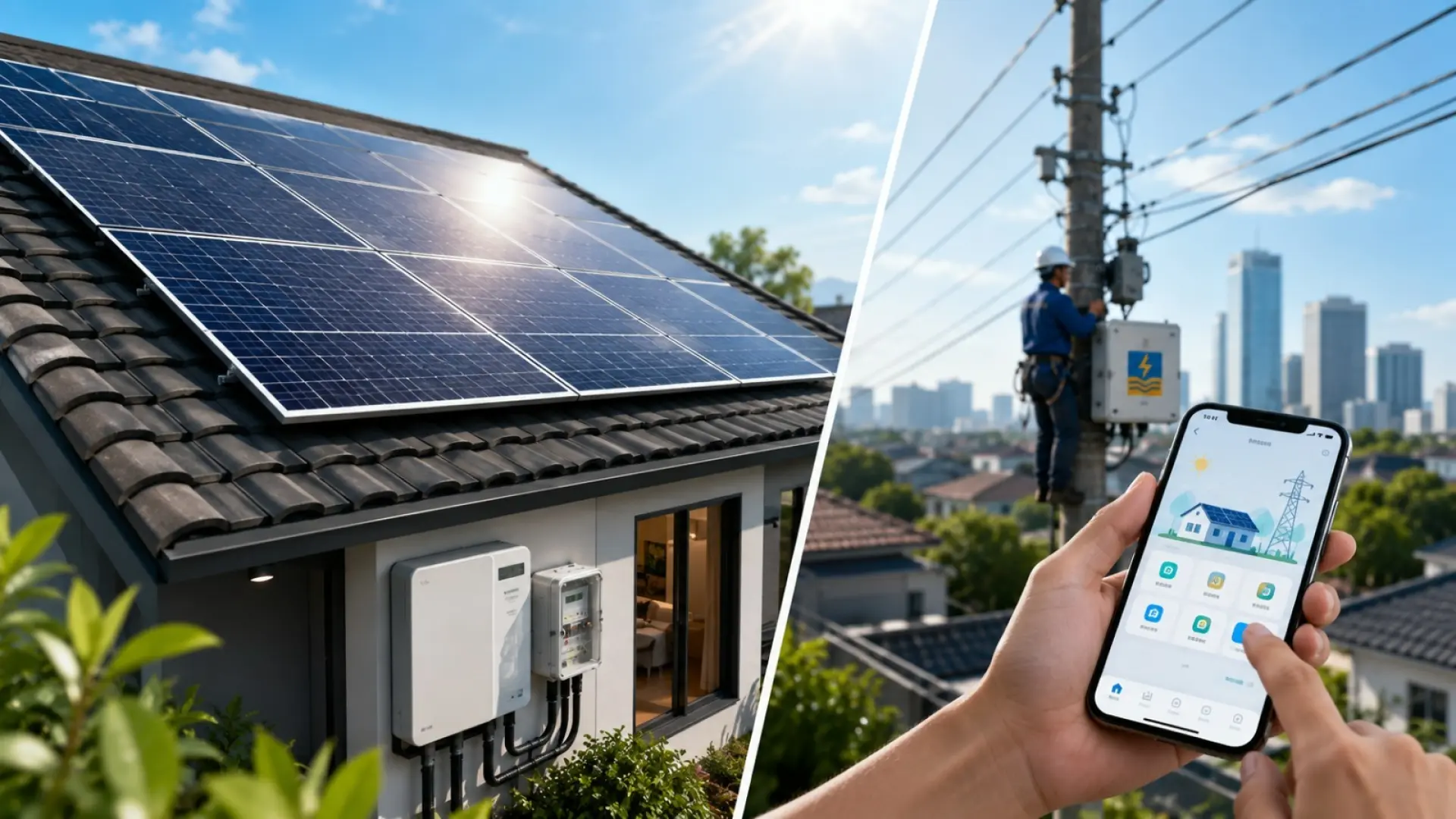
- Electrical Wiring: The installer will run electrical wiring from the panels to the inverter, which converts the DC electricity generated by the panels into AC electricity for home use. This step also involves connecting the system to the electrical grid.
- Inverter Installation: The inverter is installed close to the main electrical panel. Depending on the system design, there might be a single central inverter or multiple microinverters attached to individual panels.
- System Testing: Once all components are installed, the system undergoes thorough testing to ensure everything is functioning correctly. This includes checking the electrical connections, inverter operation, and system output.
- Inspection and Approval: After installation, the system must be inspected by local authorities and the utility company. This step ensures the system meets safety standards and can be officially connected to the grid.
- Activation: Once the system passes inspection, it can be activated. You can now start generating electricity and enjoying the benefits of your solar panels.
Professional vs. DIY Solar Panel Installation
Choosing between professional and DIY solar panel installation depends on several factors, including your technical skills, budget, and the complexity of the installation. Here is what you need to know:
|
Aspect |
Professional Installation |
DIY Installation |
|
Expertise & Experience |
High expertise and experience, ensuring the system is correctly designed and installed. |
Requires strong electrical and construction skills. |
|
Cost |
Higher due to labor charges and company overheads, but the investment is often justified by the quality and reliability of the installation. |
Lower as it eliminates labor costs, making it more accessible for budget-conscious homeowners. |
|
Permitting & Regulations |
Handles all permitting and regulatory requirements, reducing the risk of non-compliance. |
May face challenges in securing permits and passing inspections, which can complicate the installation process. |
|
Time & Effort |
Less time and effort required from the homeowner as professionals handle the entire process. |
Requires significant time and effort from the homeowner, and mistakes can be costly or dangerous. |
|
Warranties & Maintenance |
Often come with warranties and maintenance services, providing peace of mind. |
Warranties on equipment might be voided if not installed by a certified professional. |
|
Safety |
Safer, as professionals are trained to handle installation safely and efficiently. |
Higher risk due to the potential for installation errors if the homeowner lacks the necessary expertise. |
|
Quality & Reliability |
Generally higher, as professionals ensure the system is installed correctly. |
May vary, heavily dependent on the homeowner’s skills and the quality of the DIY kit used. |
|
Support |
Ongoing support and service are often available through the installation company. |
Limited support, primarily dependent on kit suppliers and own research. |
Ready to move from planning to installation? Talk to Apollo Solar Indonesia about a site assessment and quote for your commercial installation.