The solar panel trend has become a hot topic in the energy sector, driven by the growing focus on sustainable energy solutions. By 2025, the solar industry is expected to reach new milestones, fueled by technological advancements and decreasing production costs.
According to a report from the International Energy Agency (IEA), global solar energy capacity is projected to grow by 280 gigawatts by the end of the year, making it the fastest-growing energy source worldwide. This trend represents not only an environmentally friendly solution but also an economic necessity for countries seeking to reduce their dependence on fossil fuels.
Innovations in solar panel design and efficiency are key drivers of this revolution. From perovskite solar cells that promise high efficiency at low costs to bifacial panels capable of capturing energy from both sides, emerging technologies are expanding the scope of solar energy applications.
This article delves into the solar panel trends set to dominate 2025, exploring advancements in manufacturing and new sector applications, providing you with in-depth insights into how solar panels are reshaping the global energy landscape. Let’s dive in!
Top 3 Reasons for the Growing Importance of Solar Energy in 2025
As we approach 2025, solar energy continues to solidify its position as a cornerstone of global energy strategies:
1. Accelerating Global Efforts to Combat Climate Change
Solar energy is at the forefront of global initiatives to reduce carbon emissions and transition toward a sustainable future. With climate change reaching critical levels, governments and organizations worldwide are implementing ambitious policies to cut greenhouse gases. Solar energy, being one of the cleanest energy sources, has become pivotal in these efforts.
For example, the United States aims to achieve net-zero emissions by 2050, with solar energy contributing significantly to this goal. By 2025, the U.S. Energy Information Administration (EIA) predicts a 75% increase in solar power generation, from 163 billion kWh in 2023 to 286 billion kWh.
This sharp rise reflects a commitment to diversify energy portfolios and replace fossil fuels with renewable alternatives. Globally, the European Union, India, and China have similarly set aggressive solar targets, driven by both environmental concerns and geopolitical pressures to achieve energy independence.
2. Technological Advancements Driving Efficiency and Accessibility
The growing importance of solar energy in 2025 is closely tied to rapid technological advancements that make solar power more efficient and cost-effective. Breakthroughs in solar panel technologies, such as perovskite cells, tandem cells, and bifacial panels, have significantly increased energy conversion rates.
Perovskite solar cells, for instance, are achieving efficiencies above 30% in laboratory conditions, surpassing traditional silicon panels while being cheaper to produce. Tandem solar cells combine layers of materials to capture a broader spectrum of sunlight, improving performance even in low-light conditions.
3. Policy Incentives and Economic Drivers
Strong policy frameworks and economic benefits are compelling reasons for the expanding role of solar energy in 2025. Governments around the world are offering incentives such as tax credits, feed-in tariffs, and subsidies to accelerate solar adoption.
For instance, in the United States, the Inflation Reduction Act (IRA) of 2022 includes provisions for renewable energy investment, making solar projects financially attractive for both developers and consumers.
Furthermore, solar energy is becoming an economically viable option due to its declining costs. The International Renewable Energy Agency (IRENA) reports that the cost of solar photovoltaic (PV) electricity has fallen by over 80% in the past decade.
7 Key Trends Shaping the Solar Panel Industry in 2025
1. Rise of Floating Solar Farms
Floating solar farms, or "floatovoltaics," are becoming a pivotal solution for regions facing land scarcity. By installing solar panels on water bodies such as reservoirs, lakes, and even seas, these farms utilize underutilized spaces while benefiting from the cooling effect of water, which enhances panel efficiency.
Countries like Japan, China, and India are leading in adopting floating solar technology, with projects designed to power urban areas while minimizing land use. This trend aligns with the growing need for innovative renewable energy solutions in densely populated regions. Additionally, these installations often co-exist with aquaculture, demonstrating their multifaceted potential.
2. Expansion of Peer-to-Peer Solar Energy Trading Using Blockchain
Blockchain technology is revolutionizing solar energy distribution through peer-to-peer (P2P) trading platforms. This trend enables solar panel owners to sell excess energy directly to nearby consumers without intermediaries like utility companies.
By using blockchain’s secure and transparent ledger, transactions are streamlined, and participants can negotiate fair prices. This model fosters energy independence and creates localized energy markets, reducing reliance on centralized grids.
Communities worldwide, especially in regions with decentralized solar installations, are adopting P2P trading to make solar energy more accessible and equitable.
3. Integration of Smart Solar Inverters
Smart solar inverters are transforming energy management in solar systems. Unlike traditional inverters, smart inverters not only convert energy but also monitor, optimize, and manage the flow of electricity in real time.
For example, these inverters can detect and resolve grid instabilities or power outages, ensuring a consistent energy supply. In residential and commercial settings, users can track energy production and consumption through apps, making it easier to maximize efficiency. This trend supports smarter grid systems and enhances the value of solar energy installations.
4. Proliferation of AI-Optimized Solar Management Systems
Artificial intelligence (AI) is redefining how solar energy systems are managed and maintained. AI-powered tools analyze vast datasets, predicting energy output based on weather patterns and adjusting operations accordingly.
These systems also detect inefficiencies or malfunctions in panels, enabling preemptive maintenance and reducing downtime. As businesses increasingly adopt AI for energy management, solar systems are becoming more reliable and efficient, which is crucial for large-scale installations like solar farms and industrial applications.
5. Advancements in Solar Panel Recycling
As solar adoption grows, addressing the end-of-life management of panels has become a critical focus. In 2024, recycling technology for solar panels is advancing to recover valuable materials like silicon, silver, and aluminum.
Efficient recycling reduces waste and lowers the environmental footprint of solar energy systems. Countries in the European Union and regions with stringent environmental policies are leading this trend, setting an example for a circular economy in the solar industry.
6. Smart Cities Embracing Solar Integration
Smart cities are increasingly incorporating solar energy into their infrastructures to achieve sustainability goals. By combining solar panels with IoT devices, cities can monitor and optimize energy usage in real-time.
For instance, solar-powered street lights equipped with sensors adjust brightness based on traffic flow, conserving energy. Smart grids, integrated with solar energy, allow dynamic energy distribution based on demand, making urban areas more resilient and self-reliant.
7. Growth of Solar for Off-Grid Applications
Off-grid solar systems are gaining prominence as a reliable energy source in remote and rural areas. These systems are especially impactful in regions where grid expansion is either economically unfeasible or environmentally challenging.
In 2024, innovations in portable solar technologies, like lightweight solar kits and foldable panels, are making off-grid solutions more accessible. From powering remote healthcare facilities to providing electricity for rural homes, this trend is closing energy gaps and improving quality of life in underserved areas.
5 Solar Panel Applications in New Sectors
Solar panels are no longer confined to traditional uses like residential rooftops or large-scale solar farms. Their versatility and adaptability are driving their adoption in new and innovative sectors. Below are five transformative applications that highlight how solar panels are reshaping industries and addressing modern challenges.
1. Agrivoltaics: Bridging Agriculture and Energy
Agrivoltaics, the integration of solar panels with agricultural activities, is a groundbreaking approach that allows land to serve dual purposes. Solar panels are strategically installed above crop fields, providing shade to reduce heat stress on plants and minimize water evaporation.
This results in healthier crops and lower irrigation needs. At the same time, these panels generate electricity, which can power essential farm operations such as irrigation systems, cooling units, or lighting. Several pilot projects in countries like India, Japan, and France have shown remarkable results, including increased crop yields and cost savings.
Agrivoltaics demonstrates a practical solution to land-use challenges, offering a sustainable pathway to meet energy and food production demands simultaneously.
2. Solar Integration in Transportation
The transportation sector is increasingly adopting solar energy to enhance efficiency and reduce reliance on fossil fuels. Solar panels are being integrated into electric vehicles, such as buses and cars, where rooftop installations extend the range of these vehicles by powering auxiliary systems.
Moreover, the rise of solar-powered EV charging stations ensures that renewable energy directly fuels electric cars, creating a sustainable energy loop.
Some projects are even exploring embedding solar panels into road surfaces to power nearby streetlights and charging stations, demonstrating the sector’s potential for innovation. Solar energy in transportation exemplifies how renewable solutions can transform mobility while addressing environmental concerns.
3. Solar-Powered Wearable Technology
Advances in solar technology have enabled the development of lightweight, flexible solar panels that are now being incorporated into wearable devices. Products such as solar-powered smartwatches, fitness trackers, and backpacks offer users the ability to charge their devices on the go.
These innovations are particularly useful for outdoor enthusiasts and professionals working in remote areas who require a reliable energy source without access to electrical outlets.
Beyond convenience, solar-powered wearables represent a step forward in reducing the environmental impact of disposable batteries and external power usage. This growing sector highlights how solar technology is becoming more integrated into everyday life.
4. Disaster Relief and Remote Area Electrification
Portable solar panels have become indispensable tools for disaster relief and electrification in remote areas. After natural disasters, such as earthquakes or hurricanes, solar panels provide an immediate and sustainable power source for essential services like communication, medical equipment, and lighting.
In remote communities without access to the electrical grid, solar-powered systems offer an affordable and eco-friendly alternative to diesel generators. These solutions can support schools, healthcare facilities, and households, fostering development while minimizing environmental impact.
Organizations like SolarAid and the United Nations have demonstrated the transformative power of portable solar technology in improving resilience and quality of life for underserved populations.
5. Internet of Things (IoT) and Smart Devices
The Internet of Things (IoT) has found a natural partner in solar panels, allowing IoT devices to operate independently in remote or hard-to-reach areas. Solar-powered IoT systems, such as environmental sensors, smart meters, and surveillance cameras, eliminate the need for frequent battery replacements or external power sources.
These self-sustaining systems can monitor everything from air quality to water usage in real time, making them invaluable for industries like agriculture, logistics, and public safety. By combining solar energy with IoT, businesses can reduce operational costs and promote sustainability while ensuring uninterrupted functionality. This integration of solar and smart technology reflects the growing importance of renewable energy in the digital age.
Apollo: Best Solar Panel Producer for Industrial Grade
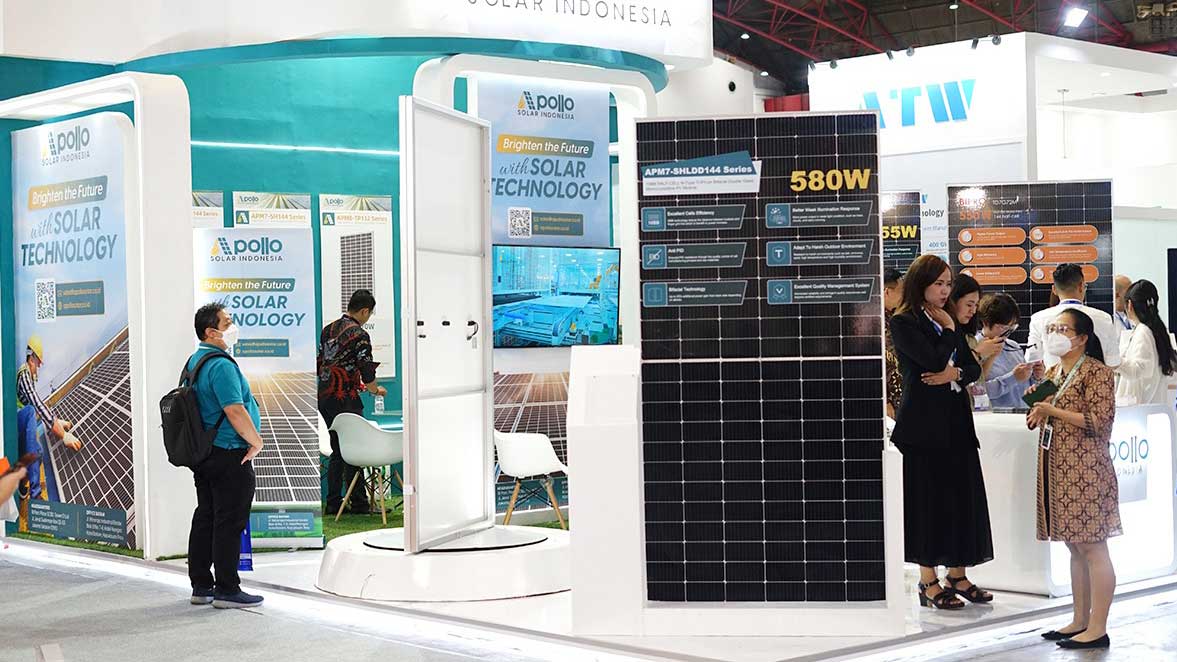
When it comes to longevity, efficiency, and industrial-grade performance, Apollo stands out as a leading producer of solar panels. Known for their high-quality materials and advanced technology, Apollo’s solar panels are engineered to last and perform well beyond industry standards.
Key Features of Apollo Solar Panels:
- Java Series:
- APM7-UH108 Series: Offers a power range of 415-435W with an impressive 22.28% maximum efficiency and a yearly degradation rate of just 0.50%. Backed by a 12-year product warranty and a 25-year output guarantee, these panels are built to deliver long-term reliability.
- APM7-UHLD108 Series: This double glass version further reduces the yearly degradation rate to 0.40% and extends the output guarantee to 30 years. It’s ideal for environments that demand extra durability.
- APM7-UHLDD108 Series: Featuring bifacial double glass, this model allows for energy capture from both sides of the panel, making it exceptionally efficient in maximizing solar energy production.
- N-Type TOPCon Technology: Apollo’s use of N-Type TOPCon technology in their Java Series panels provides superior efficiency and lower degradation rates, ensuring that your solar panels maintain high performance even after decades of use.
- OEM Capabilities: Apollo also offers OEM services, allowing for customization to meet specific industrial or commercial needs, making them a versatile choice for large-scale solar energy projects.
Choosing Apollo’s solar panels ensures that you’re investing in products designed to withstand the test of time, delivering consistent energy production with minimal degradation.