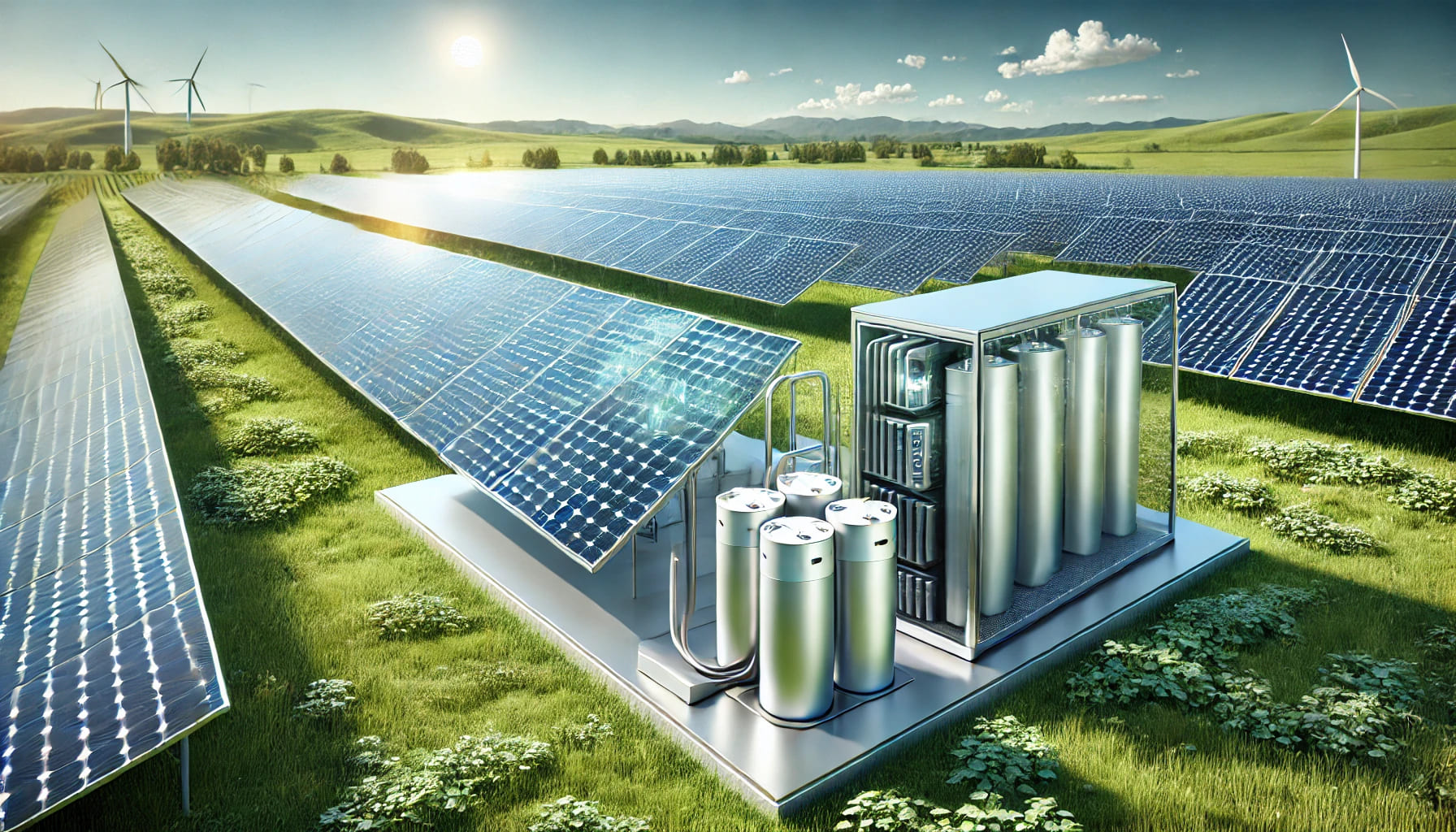
Solar energy storage is rapidly transforming the way we think about energy, allowing businesses and households alike to harness the power of the sun more effectively than ever before.
Did you know that as of recent years, the global solar energy storage market has been growing at over 20% annually, driven by increasing energy demands and a growing emphasis on sustainability? This means that solar storage is not just a trend; it’s becoming an essential component of a reliable and efficient energy system.
Understanding solar energy storage is crucial because it enables you to store excess solar power for use when you need it most, like during the evening or on cloudy days. With the right solar storage solutions, you can reduce your dependence on the traditional energy grid, lower your electricity bills, and contribute to a greener planet.
What is Solar Energy Storage?
Solar energy storage is a technology that allows you to store excess solar energy generated by solar panels for later use. When solar panels capture sunlight, the energy produced can either be used immediately or stored for use at times when sunlight isn’t available, like during the night or on cloudy days. This ability to store solar power ensures you can have a steady energy supply even when conditions aren’t ideal for generating new power.
In today’s energy market, solar energy storage is growing in importance. While solar panels alone can significantly reduce reliance on the grid, adding a storage system enhances energy independence by providing a backup source of power.
This not only lowers energy bills but also improves energy security by reducing dependence on fossil fuels. Whether you’re a homeowner, a business, or a government organization, solar energy storage can help stabilize energy costs and improve the sustainability of your energy use.
How Solar Energy Storage Works
Solar energy storage systems work by storing the electricity generated by solar panels in batteries or other storage mediums. Here’s how the process typically unfolds:
- Energy Collection: Solar panels capture sunlight and convert it into DC (direct current) electricity.
- Inverter Conversion: An inverter changes the DC electricity to AC (alternating current) electricity for immediate use or for charging a storage system.
- Energy Storage: If the energy generated isn’t needed right away, it is directed to a battery or storage unit. Lithium-ion batteries are the most common, but other technologies like flow batteries and even thermal storage options are available.
- Energy Discharge: When the stored energy is needed (for example, during the evening), the stored power is converted back to AC power and used to power appliances, lights, or other devices.
By having a reliable solar energy storage system, companies and households can maintain a consistent energy supply, even when sunlight isn’t available. This is particularly useful for high-energy consumers who require a steady flow of electricity regardless of the time of day or weather conditions.
Why is Solar Energy Storage Important for Companies?
Incorporating solar energy storage provides companies with a unique opportunity to optimize operations, cut costs, and promote sustainability. As energy demands and environmental concerns grow, solar storage has become a powerful tool for businesses to stay competitive, resilient, and environmentally responsible. Here’s a closer look at the key benefits:
1. Cost Savings
One of the most compelling reasons for businesses to invest in solar energy storage is the potential for significant cost savings. Many companies experience peak demand in the afternoon and evening when electricity rates are highest. By using stored solar energy during these times, companies can offset the need for costly grid electricity, effectively lowering peak demand charges.
Additionally, storing excess solar energy generated during low-demand periods allows businesses to lock in lower energy costs and stabilize their electricity expenses over time. By decreasing reliance on utility-provided electricity, companies can shield themselves from fluctuating energy prices, leading to substantial savings in the long run.
2. Energy Independence and Security
Businesses that rely solely on grid power are susceptible to power outages and price spikes. A solar energy storage system provides a backup power source, enabling businesses to maintain continuous operations even if the grid goes down. This energy resilience is especially valuable for companies where even brief power interruptions can lead to significant financial losses, such as in manufacturing or data processing.
By investing in solar storage, companies can also enhance their energy independence, giving them greater control over their energy supply. This independence from the grid minimizes exposure to utility rate increases and allows companies to operate more reliably, especially during peak seasons or times of high energy demand.
3. Achieving Sustainability Goals
As more companies make commitments to reduce their carbon footprint and pursue sustainability goals, solar energy storage has emerged as an essential tool in these efforts. By reducing reliance on fossil fuels, businesses that adopt solar energy storage not only cut down on emissions but also promote the use of renewable energy.
This shift not only contributes to environmental preservation but also enhances a company’s corporate image. Consumers and clients are increasingly aware of and attracted to environmentally responsible businesses, and by incorporating solar energy storage, companies can strengthen their brand reputation as a sustainability leader. This can be a competitive advantage, appealing to eco-conscious customers and investors alike.
4. Operational Flexibility for Diverse Industries
Solar energy storage systems can be tailored to meet the specific needs of various industries. Data centers, for example, demand uninterrupted power to avoid downtime and data loss. With solar storage, data centers can ensure continuous energy supply, even during grid outages, which is critical for maintaining uptime and preventing costly disruptions.
In industries that operate primarily during non-sunlight hours, such as manufacturing or food processing, solar energy storage allows facilities to run more efficiently and sustainably. By tapping into stored energy overnight, these companies can reduce their dependence on grid power, minimizing operational costs and improving energy efficiency. This is especially beneficial for industries with high energy demands that seek to maintain sustainability practices while keeping costs manageable.
5. Enhanced Grid Management and Support
Solar energy storage also contributes to grid stability by managing energy loads effectively. For instance, by discharging stored energy during peak demand periods, companies can reduce strain on the grid and even participate in demand response programs, where they receive incentives for reducing grid demand at critical times.
In certain regions, companies can also sell excess stored solar energy back to the grid through net metering programs, creating an additional revenue stream. This capability not only offsets initial installation costs but also generates ongoing financial benefits, turning solar storage into a profitable long-term investment.
6. Reduced Carbon Footprint and Regulatory Compliance
By integrating solar energy storage, companies can reduce their carbon emissions substantially, aligning with local and international environmental regulations. As regulations on emissions become stricter, solar storage can help businesses comply with these standards and avoid potential penalties.
Moreover, businesses that actively reduce their carbon footprint through renewable energy solutions may also qualify for tax credits or incentives in certain regions. These financial benefits make solar storage an even more attractive investment, helping companies meet both environmental and regulatory objectives.
Types of Solar Energy Storage Systems
When it comes to solar energy storage, there are several system types to choose from. Here’s a breakdown of the most common options:
- Lithium-Ion Batteries: Widely used for residential and commercial applications, lithium-ion batteries are known for their high energy density, longer lifespan, and relatively low maintenance. They are compact and can store a significant amount of power, making them a popular choice for homes and businesses alike.
- Lead-Acid Batteries: These are more affordable but have a shorter lifespan and lower energy density compared to lithium-ion batteries. Lead-acid batteries are still commonly used for off-grid solar installations or backup power systems due to their low cost and reliable performance.
- Flow Batteries: Flow batteries store energy in a liquid electrolyte, which can be reused and replenished. They have a long cycle life and can discharge power over an extended period, making them ideal for industrial applications where consistent energy is needed. While more costly upfront, flow batteries offer longevity and stability in performance.
- Thermal Storage Systems: These systems store solar energy in the form of heat, which can then be used for water heating, space heating, or even powering turbines. Thermal storage is particularly effective in large-scale industrial settings and can be a great way to reduce dependence on electric heating sources.
Best Ways to Store Solar Energy
If you’re considering investing in solar energy storage, here are some of the best strategies to make the most of your system:
- Hybrid Systems: A combination of solar panels and batteries, hybrid systems enable you to use solar energy during the day and switch to stored energy at night. This is one of the most effective ways to ensure a steady energy supply.
- Grid-Tied with Battery Backup: In this setup, you remain connected to the grid but have a battery backup that stores excess solar power. During an outage, your system can draw power from the batteries. This setup combines the benefits of grid-tied and off-grid systems, making it perfect for homes and small businesses.
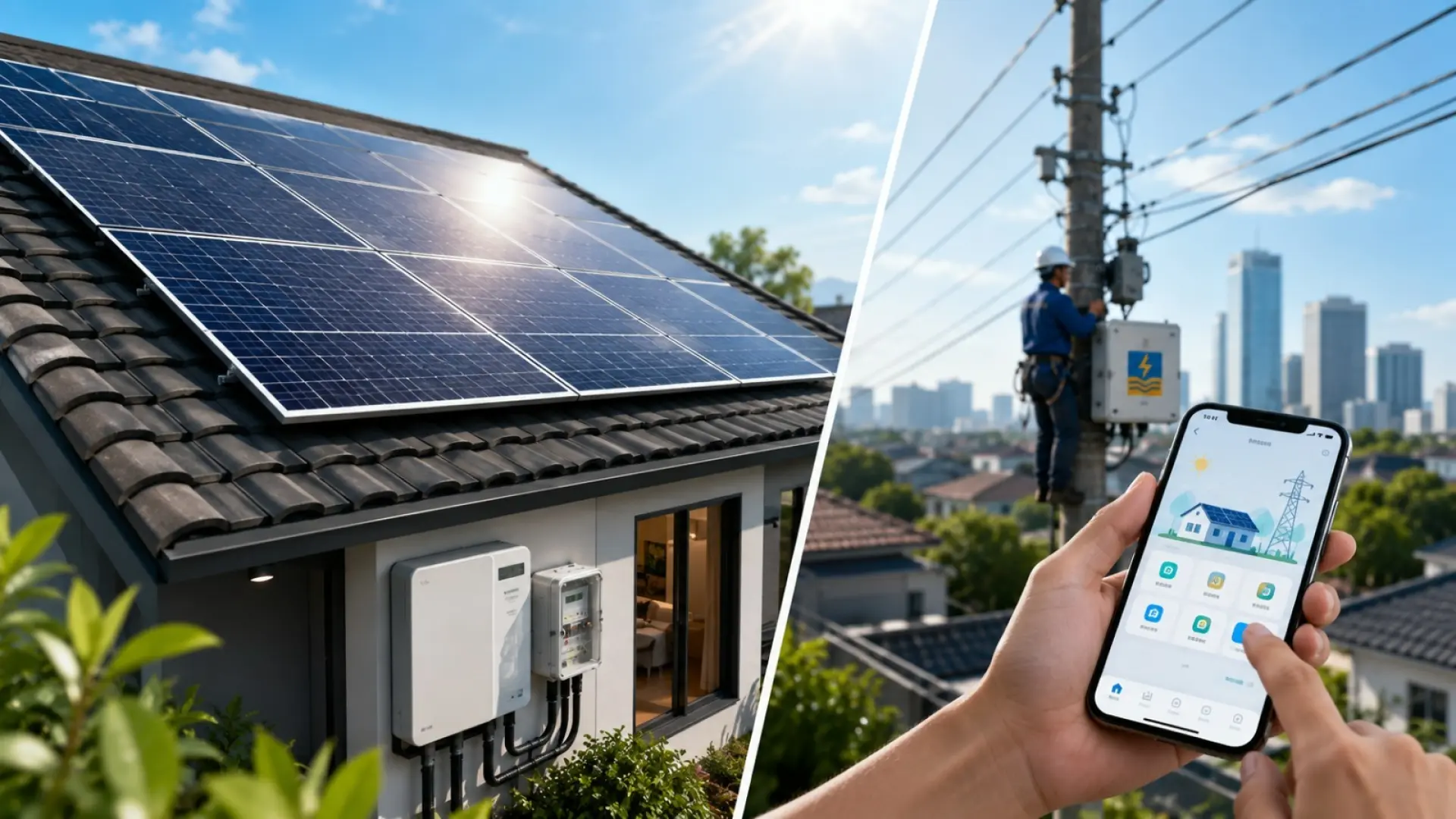
- Solar Plus Smart Home Integration: By integrating your solar system with smart home technology, you can automate the use of stored energy. For example, smart thermostats can help optimize heating and cooling based on energy availability, saving you money while enhancing comfort.
- Net Metering with Battery Storage: Some regions offer net metering, where excess solar power is sent back to the grid for credits. With battery storage, you can store some of this excess power instead of sending it all back, which provides an additional backup while still benefiting from net metering.
Weighing solar-plus-storage for your business? Talk to Apollo Solar Indonesia about a system sized to your load profile and backup requirements.